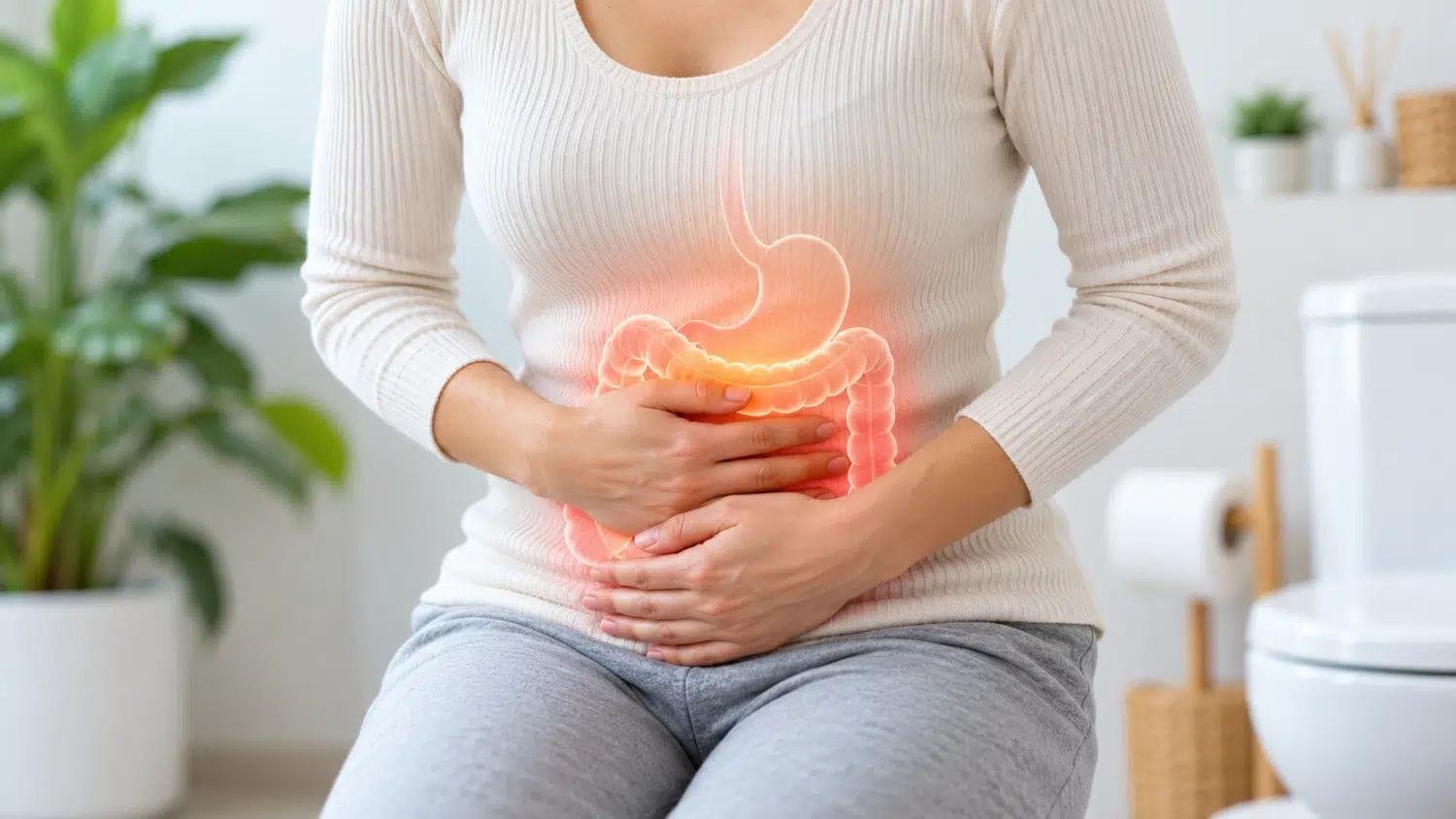
Gallstones are small, pebble-like deposits that form in the gallbladder — a small organ beneath the liver that stores bile. Bile helps digest fats, but when its composition changes, it can harden into stones. While some gallstones cause no symptoms, others can trigger severe abdominal pain, nausea, and indigestion, particularly after eating fatty or greasy foods.
Research shows that diets high in saturated fat can make bile thicker and more prone to forming stones. Fatty meals also cause the gallbladder to contract strongly, which can lead to painful attacks in people already prone to gallstones.
If you have gallstones, adjusting your diet to reduce greasy and high-fat foods can help ease symptoms and prevent flare-ups. Here are the main foods to avoid and what to enjoy instead.
-
Fried and Greasy Foods
Fried foods are among the biggest culprits for gallstone discomfort. Meals such as fried chicken, chips, or battered fish are cooked in large amounts of oil, increasing their saturated-fat content. These fats force the gallbladder to release more bile to aid digestion, which can set off sharp pain and indigestion.
Avoid: deep-fried meats, chips, doughnuts, or any foods cooked in heavy oil.
Try instead: grilled or oven-baked fish, air-fried vegetables, or steamed meals using minimal oil.
-
Full-Fat Dairy Products
Whole milk, butter, cream, and rich cheeses are packed with saturated fat, which can raise cholesterol levels in bile — a major factor in gallstone formation. Regular intake of full-fat dairy also makes bile more concentrated and harder to pass through the ducts, sometimes triggering cramps or nausea after eating.
Avoid: whole milk, cream, full-fat cheese, and ice cream.
Try instead: semi-skimmed or plant-based milk such as oat, almond, or soya; low-fat yoghurt; or lighter dairy spreads.
Checking nutrition labels can help foods with 3 g of fat or less per 100 g are considered lower-fat and are gentler on your gallbladder.
-
Fatty and Processed Meats
Processed and fatty meats, such as sausages, bacon, and marbled beef, are difficult for the body to digest and can overstimulate bile production. The high saturated-fat content not only increases cholesterol in bile but can also lead to discomfort shortly after meals.
Avoid: bacon, sausages, salami, pork belly, and lamb chops.
Try instead: lean poultry such as skinless chicken or turkey breast, white fish, beans, lentils, or other plant-based proteins.
Trimming visible fat from meat before cooking and removing poultry skin further reduces fat intake while maintaining flavour and protein.
-
Butter,Gheeand Rich Cooking Oils
Butter, ghee, and oils such as palm or coconut oil are dense sources of saturated fat. Even though they add richness to food, they can make bile more concentrated and increase the risk of triggering gallstone pain.
Avoid: butter, ghee, lard, and large amounts of coconut or palm oil.
Try instead: small amounts of olive or rapeseed oil, or light cooking sprays.
Use just enough oil to prevent sticking, and favour gentler cooking methods such as grilling, steaming, poaching, or baking instead of frying.
-
Fast Foods and Takeaways
Burgers, kebabs, and pizzas often combine several triggers, greasy meat, cheese, creamy sauces, and refined carbs — in one meal. These foods are typically high in saturated fats and salt, which can overwhelm the digestive system and irritate the gallbladder.
Avoid: fried chicken meals, burgers with cheese or creamy sauces, and large portions of chips.
Try instead: grilled chicken wraps, rice bowls with lean protein, or salads with light dressings.
When eating out, look for dishes described as grilled, steamed, or baked, and keep portions moderate.
-
Rich Desserts and High-Fat Treats
Desserts made with butter, cream, or chocolate like pastries, cheesecakes, and fudge, can also provoke symptoms. Though not the main cause of gallstones, their high-fat content can aggravate existing issues.
Avoid: creamy cakes, rich puddings, and chocolate bars.
Try instead: fresh fruit, low-fat yoghurt, or baked fruit with a light drizzle of honey.
How to Support a Healthy Gallbladder
Alongside reducing greasy foods, a few simple habits help keep your gallbladder healthy:
Eat smaller meals: large, heavy meals can strain the gallbladder.
Stay hydrated: water helps keep bile fluid and prevents stone formation.
Include fibre-rich foods: vegetables, fruits, beans, and whole grains support digestion and help regulate bile composition.
If you experience ongoing discomfort or pain that could be linked to gallstones, don’t ignore it. At Phoenix Health, our specialists offer expert assessment and minimally invasive gallbladder removal surgery to help you return to comfort and wellbeing. Fill our enquiry form now to get a FREE call back.
References:
https://www.acpjournals.org/doi/abs/10.7326/0003-4819-119-10-199311150-00010
https://www.tandfonline.com/doi/abs/10.1080/07315724.2004.10719360
https://www.sciencedirect.com/science/article/pii/S0002916522042241
Medically Reviewed by Mr. Qutayba Almerie, MD, MSc, FRCS
Consultant Upper GI & Bariatric Surgeon, Medical Director at Phoenix Health.
Enquiry Form