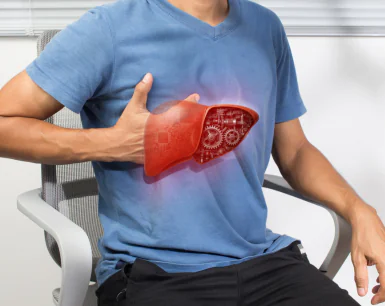

Abdominal pain is something most of us have experienced at one time or another. It might be a mild discomfort after eating, a tight feeling when bending or lifting, or a dull ache that comes and goes. Because it’s so common, abdominal pain is often dismissed as indigestion, muscle strain, or stress.
In many cases, the pain does settle on its own. But when abdominal discomfort becomes frequent, persistent, or starts to interfere with everyday life, it may be a sign of an underlying issue that needs attention. Two common and often overlooked causes of ongoing abdominal pain are gallbladder problems and hernias.
Why Abdominal Pain or Stomach Pain Shouldn’t Always Be Ignored
The abdomen contains several important organs, including the stomach, intestines, liver, gallbladder, and pancreas. When one of these organs is not working as it should, the body often responds with pain or discomfort.
Abdominal pain can feel different for everyone. Some people notice cramping or bloating, while others experience a sharp or burning sensation. Pain may appear after eating, during physical activity, or when standing for long periods. The location, timing and triggers of pain can offer important clues about its cause.
While many people assume abdominal pain is related to digestion alone, structural problems such as hernias and conditions affecting the gallbladder are also common causes particularly when pain keeps returning.
Recurring Stomach Pain Can Be a Sign of a Gallbladder Issue
For many patients, gallbladder-related pain begins subtly. It often appears after meals, especially rich or fatty foods, and may feel like indigestion or bloating at first. Because of this, gallbladder problems are frequently overlooked in the early stages.
The gallbladder is a small organ located beneath the liver. Its role is to store bile, which helps the body digest fats. Over time, bile can harden and form gallstones. Some people have gallstones without symptoms, while others develop recurring abdominal pain.
Gallbladder pain is commonly felt in the upper right side of the abdomen and may spread to the back or right shoulder. Episodes can last from minutes to several hours and may be accompanied by nausea or a general feeling of being unwell.
If a gallstone blocks a bile duct, the pain may suddenly become more severe and persistent. Fever, vomiting, or yellowing of the skin or eyes can indicate inflammation or infection and should always be assessed urgently. Early diagnosis often allows gallbladder removal treatment to be planned before complications develop.
When a Hernia Causes Abdominal Pain
Not all abdominal pain is related to digestion. In some cases, discomfort is caused by a weakness in the abdominal wall rather than an internal organ.
A hernia occurs when part of the intestine pushes through a weakened area of muscle. This often creates a visible or noticeable bulge, most commonly in the groin, around the belly button, or near a previous surgical scar.
Hernia-related pain is often linked to movement or physical strain. People may notice discomfort when standing, lifting, bending, or coughing. At first, the pain may be mild and described as a feeling of heaviness, pulling, or aching rather than sharp pain.
Because hernia symptoms can be subtle, many people delay seeking medical advice. Over time, however, discomfort may worsen and interfere with daily activities.
If part of the intestine becomes trapped in the hernia, pain can increase suddenly and become severe. This requires urgent medical attention and is one of the reasons early assessment is so important.
Risk Factors and Warning Signs
Gallbladder problems and hernias may seem unrelated, but they share several common risk factors. These include being overweight, increasing age, and increased pressure within the abdomen — such as from heavy lifting, chronic coughing, or straining.
Warning signs that abdominal pain should be assessed include:
- Pain that keeps returning or worsens over time
- Discomfort that interferes with normal activities
- Pain associated with eating or physical movement
- A noticeable lump or bulge in the abdomen or groin
- Fever, vomiting, or sudden severe pain
Listening to these signals can help prevent minor issues from becoming emergencies.
Why Early Assessment and Treatment Matter
Many people put off seeking medical advice because they worry they might be overreacting or hope the discomfort will simply settle on its own. This hesitation is completely understandable. In most cases, however, having symptoms checked early brings reassurance and clear answers, rather than bad news.
When treatment is needed, it can often be planned calmly and at the right time. Modern gallbladder removal surgery and hernia repair procedures are usually minimally invasive, with shorter recovery times than many people expect, allowing most patients to return to normal routines sooner.
Abdominal pain isn’t something to panic about—but it is something worth listening to. If discomfort keeps coming back, begins to change, or just doesn’t feel quite right, seeking professional advice can offer clarity, confidence, and peace of mind.
Expert Care at Phoenix Health
As a leading bariatric treatment provider, Phoenix Health offers expert, personalised care for patients experiencing abdominal pain related to gallbladder and hernia conditions. Our experienced surgeons take the time to explain your treatment options clearly and support you at every stage—from diagnosis through to recovery.
If you’d like to book a consultation or discuss your symptoms, you can call 01244 738159 or contact us on WhatsApp at +44 7551 582401. Take the first step towards feeling better, inside and out.
Medically Reviewed by Mr. Qutayba Almerie, MD, MSc, FRCS
Consultant Upper GI & Bariatric Surgeon, Medical Director at Phoenix Health.
Medically Reviewed by Lujain Alhassan, BSc, ANutr
Registered Associate Nutritionist and Bariatric Nutrition.