If you have had a gastric sleeve or you are considering private weight loss surgery, it is natural to have questions about how permanent the results really are. One of the most common concerns patients raise, often quietly and with a great deal of anxiety, is this question: after a gastric sleeve, can your stomach stretch?
For many people, this question is not just about anatomy. It is about fear. Fear of regaining weight, fear of losing control, and fear that the investment, emotional, physical, and financial, might somehow be undone. These feelings are completely understandable, and they deserve honest, evidence-based answers rather than alarming myths.
Understanding What a Gastric Sleeve Changes
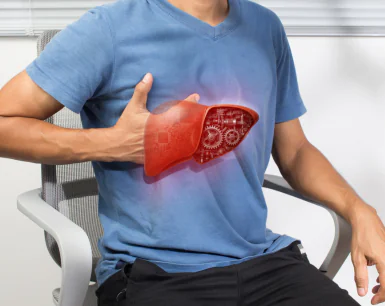
A gastric sleeve, also known as sleeve gastrectomy, permanently removes around 75-85% of the stomach. What remains is a narrow, tube-shaped stomach designed to hold much smaller portions of food. This physical restriction is combined with hormonal changes, particularly a reduction in ghrelin, the hormone responsible for hunger.
Because a large portion of the stomach is surgically removed, this weight loss procedure is designed to offer lasting support rather than a temporary change. The stomach does not revert to its previous size, which allows the gastric sleeve to continue supporting portion control and appetite regulation over time.
So, After a Gastric Sleeve, Can Your Stomach Stretch?
Yes, to a limited extent, but not in the way many patients fear. The stomach is a muscular organ, and like all muscles in the body, it has a natural ability to adapt. Over time, particularly once healing is complete, the gastric sleeve can relax slightly as part of a normal physiological process.
Long-term clinical research has shown that while minor dilation of the gastric sleeve can occur, the stomach remains significantly smaller many years after surgery. This natural adaptation does not mean the procedure has failed, nor does it automatically lead to weight regain.
What many patients notice is a change in how fullness feels rather than true stretching of the stomach. Being able to eat slightly more than in the first year after surgery is usually a normal part of long-term adjustment, rather than a sign that the sleeve is no longer working.
Why the First Year Feels So Different
The early months after a gastric sleeve are often marked by very strong restriction. Swelling, healing tissues, and dramatically reduced hunger hormones all contribute to feeling full very quickly. As the body recovers and stabilises, eating becomes more comfortable, and fullness signals feel less intense.
This change can be unsettling if it is not expected. Many patients assume that increased comfort with food means their stomach has stretched, when in reality it reflects normal healing and adaptation. Hormonal shifts also play a role, as ghrelin levels can gradually rise again over time, leading to stronger hunger cues despite a still small stomach.
What Really Causes the Stomach to Stretch More Than Normal After a Gastric Sleeve
The stomach does not suddenly stretch on its own after a gastric sleeve. When changes do occur, they usually happen gradually and are most often linked to repeated eating habits that place ongoing pressure on the sleeve. Regularly eating beyond comfortable fullness or relying on foods that pass through the stomach easily can reduce the strength of fullness signals over time, making the stomach feel more accommodating than intended.
Soft, highly processed, or calorie-dense foods do not create the same sense of satisfaction as solid, protein-rich meals, which can allow larger volumes to be eaten without discomfort. Eating quickly, grazing throughout the day, or drinking with meals can further weaken natural feedback cues. In private bariatric care, addressing these patterns early through personalised guidance and long -term follow -up plays a key role in protecting the function of the gastric sleeve and supporting lasting results.
If You Are Worried You Have Stretched Your Sleeve
Many patients feel worried or discouraged when they begin to question whether their stomach has stretched, but this concern does not mean you have failed or that the surgery has stopped working. Feeling unsure at times is common, especially as the body changes and eating feels different from the early months after surgery.
Weight changes after a gastric sleeve are influenced by many factors, including hormones, lifestyle, stress, and metabolism, not just stomach size. Addressing concerns early can make a meaningful difference. At Phoenix Health, ongoing aftercare is an essential part of patient support, with access to experienced bariatric specialists and dietitians who understand the long term nature of weight loss surgery. In most cases, personalised aftercare and follow-up are far more effective than additional procedures.
Protecting Your Gastric Sleeve Long Term
Long -term success after gastric sleeve surgery is built on awareness rather than constant restriction. Eating slowly, recognising comfortable fullness, and choosing nourishing foods allow the sleeve to continue supporting you naturally as your body adjusts over time. These habits help maintain results in a sustainable and balanced way.
While the stomach may adapt slightly after surgery, it does not return to its original size or undo the procedure you have had. Understanding these normal changes and knowing when to seek support can make a meaningful difference. Questions and concerns are a natural part of the journey, and addressing them early helps protect both confidence and long-term results.
By building healthy, sustainable habits and following post-surgery guidance, many patients are able to maintain the positive changes they have worked hard to achieve. Contact us today to learn more about gastric sleeve surgery and the comprehensive aftercare and support we offer to help you feel informed, supported, and confident at every stage of your journey.
Medically Reviewed by Lujain Alhassan, BSc, ANutr
Registered Associate Nutritionist and Bariatric Nutrition.
Enquiry Form