
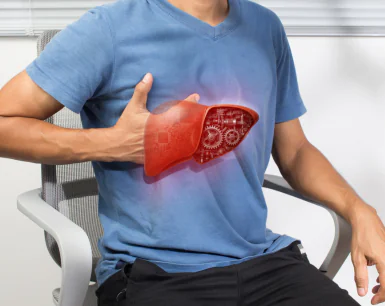
Emerging research continues to highlight the broader metabolic benefits of bariatric surgery beyond weight loss. A recent study published in Scientific Reports suggests that bariatric surgery may significantly improve liver health in patients with metabolic dysfunction-associated steatotic liver disease, commonly known as MASLD.
The findings indicate that surgical weight loss procedures can lead to early reductions in liver fat accumulation and liver fibrosis, two key features of MASLD.
Understanding MASLD and Its Growing Prevalence
MASLD, previously referred to as non-alcoholic fatty liver disease, is a common liver condition strongly associated with obesity, insulin resistance, type 2 diabetes, and other cardiometabolic risk factors.
The condition develops when excess fat accumulates in the liver. Over time, this may lead to inflammation, fibrosis, or scarring, and potentially more serious liver disease.
With obesity rates rising worldwide, MASLD has become one of the most common causes of chronic liver disease, affecting millions of people globally. Because the condition is closely linked to metabolic health, treatments that address obesity may also help improve liver outcomes.
Overview of the Study
The study, led by Wymin Sivakumar from University College Cork in Ireland, investigated whether bariatric surgery could lead to early improvements in liver health among patients with MASLD.
Researchers conducted a prospective study between November 2022 and December 2024 involving 111 adults diagnosed with MASLD.
Participants had an average age of 48 years, and approximately 71% were women. All patients underwent Roux-en-Y gastric bypass surgery, one of the most commonly performed bariatric procedures worldwide.
To assess liver health, researchers used FibroScan, a non-invasive imaging tool that measures:
- Hepatic steatosis, which refers to fat accumulation in the liver
- Liver stiffness, which can indicate presence of fibrosis
Participants received FibroScan assessments approximately six months before surgery and again around seven months after surgery.
Significant Reductions in Liver Fat and Fibrosis
The results showed substantial improvements in liver health following bariatric surgery.
Researchers observed:
- A 26 % reduction in controlled attenuation parameter scores, a measurement used to assess liver fat
- A 33 % reduction in liver stiffness measurements, which indicate liver fibrosis
Both changes were statistically significant, suggesting that surgery had a meaningful impact on reducing liver fat and scarring.
Decrease in MASLD and Fibrosis Prevalence
The study also found notable reductions in the overall prevalence of liver disease among participants.
Before surgery:
- 100% of participants had MASLD
- 41% had signs of liver fibrosis
After surgery:
- MASLD prevalence decreased to 61%.
- Liver fibrosis dropped to 8%.
These findings highlight the potential of bariatric surgery to improve liver health within a relatively short timeframe.
Resolution of Liver Abnormalities in Many Patients
A large proportion of patients also experienced resolution of certain liver abnormalities.
Postoperative results showed:
- 39 % of patients experienced resolution of hepatic steatosis
- 80 % experienced resolution of liver fibrosis
Researchers also found that greater weight loss was associated with greater improvements in liver fat levels, reinforcing the strong relationship between weight reduction and liver health.
The Role of FibroScan in Monitoring Liver Health
The researchers emphasised the value of FibroScan as a non-invasive monitoring tool for patients with MASLD.
Unlike invasive liver biopsies, FibroScan allows clinicians to track changes in liver fat and fibrosis over time. This can help identify patients who respond well to treatment and support more personalised care.
Understanding the Study Context
While the findings are highly encouraging, the researchers note that this study provides early clinical evidence on the benefits of bariatric treatment for MASLD.
Liver health in the study was assessed using FibroScan, a widely used non-invasive technology that measures liver fat and stiffness. This allows clinicians to monitor liver health without the need for invasive procedures such as liver biopsy.
Further research with larger patient populations and longer follow up periods will continue to strengthen understanding of how bariatric surgery may support long term liver health in people living with MASLD.
Bariatric Surgery and Metabolic Health
This study adds to growing evidence showing that bariatric surgery can deliver important metabolic health benefits beyond weight loss alone.
For individuals living with obesity and related metabolic conditions, bariatric surgery may help improve several aspects of health, including liver disease, cardiovascular risk factors, and metabolic function.
Reference:
Sivakumar W et al. Impact of Bariatric Surgery on Hepatic Steatosis and Fibrosis in MASLD. Scientific Reports. Published February 2026. https://www.nature.com/articles/s41598-026-39142-x
Medically Reviewed by Lujain Alhassan, BSc, ANutr
Registered Associate Nutritionist and Bariatric Nutrition