Medications such as Ozempic, Mounjaro, and Wegovy, which are part of a group known as GLP-1 receptor agonists, have become increasingly popular across the UK. Originally designed to manage type 2 diabetes, these treatments are now widely used for medical weight management and are available through both NHS and private weight loss providers.
As their use grows, new observations continue to emerge about how these medications interact with other aspects of healthcare. One of the latest findings from UK imaging specialists relates specifically to how GLP-1 treatments may influence certain FDG PET-CT scans — not standard CT, MRI, or ultrasound and how this can affect image interpretation.
What New Research Is Revealing About GLP-1s and Scans
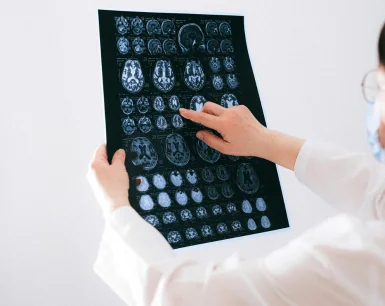
A review by Alliance Medical, an imaging provider working closely with the NHS, recently examined patients who were taking GLP-1 medications during FDG PET-CT scans. Similar findings were also presented by investigators at the European Association of Nuclear Medicine (EANM’25), who reported that GLP-1 treatments may affect how these scans appear by increasing glucose uptake in certain tissues such as muscles and fat.
- PET (Positron Emission Tomography), which shows how tissues and organs function by using a small dose of radioactive glucose, and
- CT (Computed Tomography), which provides detailed anatomical images.
When a PET scan is performed, the glucose tracer highlights areas of high activity within the body. However, in some patients taking GLP-1 medications, specialists have noticed benign, physiological patterns mainly involving the stomach, bowel, muscle, and fat rather than signs of disease or damage. These patterns are believed to result from the way GLP-1s slow digestion and delay stomach emptying.
It is important to note that these differences apply only to FDG PET-CT scans and do not indicate any harm to the organs themselves. They can, however, make the scan appear unusual if the doctor interpreting the results doesn’t know the patient is using a GLP-1 treatment.
Understanding Why It’s Important to Share Your Medication History
The findings don’t suggest that GLP-1 medications are unsafe or that they interfere with medical imaging in a harmful way. Instead, they highlight the importance of clear communication between patients and healthcare professionals.
If your doctor or imaging specialist is aware that you’re taking a medication such as Ozempic , Mounjaro, or Wegovy, they can interpret your scan results more accurately. This helps to prevent unnecessary follow-up tests or delays in diagnosis.
Dr Peter Strouhal, Medical Director at Alliance Medical and lead author of the review, noted that this imaging pattern has become more common as GLP-1 use increases in both NHS and private weight loss clinics. However, he emphasised that the current evidence is early and observational, and there is no national or international guidance requiring any change to how these medications are managed before scans.
Rather than recommending that patients stop using their medication, researchers simply advise imaging teams to record medication history and consider this emerging pattern when interpreting results.
How to Make Sure Your Scan Results Are Clear
If you’re using Ozempic, Wegovy, or Mounjaro and are scheduled for a scan, it’s helpful to mention your medication to the radiology or imaging team. This simple step ensures that your scan results are reviewed in the correct context.
You do not need to stop or adjust your GLP-1 weight loss treatment before your scan unless specifically advised by your healthcare provider. This is an emerging pattern, not a cause for concern, and it reflects how closely medical professionals are studying these medications as they become more widely used.
The Next Step for Researchers and Imaging Teams
The imaging specialists behind this observation plan to continue studying the effect of GLP-1 medications on medical imaging. Their goal is to build stronger evidence that may inform future national guidelines and help standardise how these scans are interpreted.
For now, the evidence remains preliminary and should be viewed as an area of ongoing scientific interest rather than established medical fact. This research shows how quickly clinical knowledge is evolving as GLP-1 treatments become part of everyday medical practice across both NHS and private healthcare. It also reinforces how important it is for patients to share information about their medications before any diagnostic procedure.
References:
https://www.eurekalert.org/news-releases/1100522
https://www.pharmacytimes.com/view/glp-1-agonists-may-interfere-with-pet-ct-scan-interpretation
https://eanm25.eanm.org/wp-content/uploads/2025/09/EANM25_Final_Programme.pdf
https://www.cedars-sinai.org/programs/imaging-center/exams/pet-ct-scans/fdg-pet-scan.html
Medically Reviewed by Mr. Qutayba Almerie, MD, MSc, FRCS
Consultant Upper GI & Bariatric Surgeon, Medical Director at Phoenix Health.
Enquiry Form