If you’ve been advised to have your gallbladder removed, it’s natural to wonder whether this surgery might affect your liver or digestion. Gallbladder removal, known medically as a cholecystectomy, is one of the most common surgical procedures in the UK, performed safely and effectively thousands of times each year. Understanding how your liver and gallbladder work together can help you recover comfortably and maintain good digestive health after surgery.
How the Liver and Gallbladder Work Together
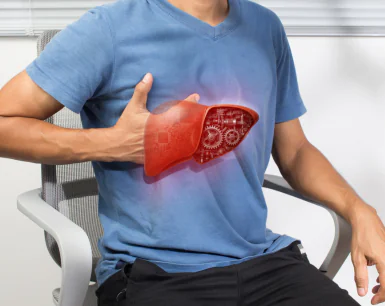
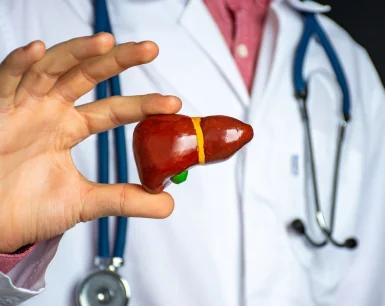
Your liver is a vital organ that performs hundreds of essential functions. It filters toxins, processes nutrients, regulates cholesterol, and produces a substance called bile, which helps digest fats. The gallbladder, a small pouch located just beneath the liver, acts as a storage vessel for this bile, releasing it into the small intestine when you eat fatty foods.
When the gallbladder is removed, bile no longer has a place to be stored between meals. Instead, it flows continuously from the liver into the digestive tract. This adjustment can affect how efficiently the body digests fats, especially in the first few weeks after gallbladder surgery. Over time, however, most people’s systems adapt and function normally again.
Are Liver Problems Common After Gallbladder Removal?
For the majority of patients, the liver continues to function well after gallbladder surgery. Some people experience mild digestive changes such as bloating, loose stools, or discomfort after eating rich foods. These temporary effects are part of what’s sometimes called post-cholecystectomy syndrome and tend to settle as your body adjusts.
Rarely, complications can occur if bile flow is temporarily disrupted. These may include bile duct injury or retained gallstones, which can lead to jaundice or abnormal liver test results. Such complications which could rarely occur during the surgery and are usually treatable when identified early.
When to Speak with a Doctor
Although liver problems after gallbladder removal are uncommon, recognising early signs is important. You should contact your GP or specialist if you notice symptoms such as persistent fatigue, yellowing of the skin or eyes, dark urine, pale stools, or ongoing upper abdominal pain.
These may simply reflect temporary bile flow changes, but occasionally they indicate a blockage or inflammation that requires treatment. A quick review, including blood tests or ultrasound imaging, can provide clarity and reassurance.
Supporting Recovery and Life After Gallbladder Removal
After cholecystectomy gallbladder surgery, your liver continues to produce bile and quickly learns to regulate its flow directly into the intestine. This change can feel different at first, but for most people, digestion soon settles into a steady rhythm. Supporting your recovery isn’t about strict diets but about maintaining overall balance. Eating thoughtfully, staying active, and keeping up with regular check-ups all help your body adapt smoothly.
At Phoenix Health, we take pride in guiding patients through this adjustment with care and clarity. Our expert surgical and aftercare teams explain what to expect, answer questions about recovery, and provide practical, evidence-based support to help your liver and digestive system function at their best.
Most people return to normal routines and diets within a short time after surgery. The liver is an incredibly adaptable organ that continues to perform its vital role without interruption. If you’re considering private gallbladder removal surgery or would like tailored advice on your recovery, contact Phoenix Health to speak with one of our specialists. We’re here to ensure your experience is safe, informed, and reassuring from start to finish.
References:
https://pubmed.ncbi.nlm.nih.gov/23545713/
https://www.nhs.uk/tests-and-treatments/gallbladder-removal/complications/
Medically Reviewed by Mr. Qutayba Almerie, MD, MSc, FRCS
Consultant Upper GI & Bariatric Surgeon, Medical Director at Phoenix Health.
Enquiry Form