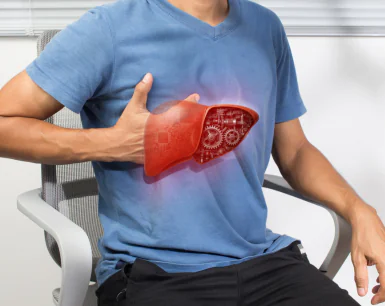
The gallbladder may be small, but it plays an important role in digestion. It stores bile, a fluid made by the liver that helps break down fats in the small intestine.
When the gallbladder develops problems such as gallstones, inflammation, or infection, it can cause pain, bloating, and digestive upset. If dietary changes and medicines don’t bring relief, your doctor may recommend gallbladder removal surgery, also called a cholecystectomy.
This operation is safe, routine, and highly effective, carried out by experienced surgeons across the UK. Still, it’s natural to wonder how life might change afterwards. Understanding the long-term effects and knowing how to manage them can help you feel confident and recover smoothly.
What Happens During Gallbladder Removal Surgery
There are two main ways the gallbladder can be removed:
Laparoscopic (keyhole) cholecystectomy – This is the most common method. Surgeons make a few small incisions and use a camera and fine instruments to remove the gallbladder. It usually means less pain, smaller scars, faster recovery, and a quicker return to normal activities.
Open cholecystectomy – In some cases, a larger incision is needed, especially if there is scarring, infection, or unusual anatomy. Recovery takes a little longer, but the procedure remains safe and reliable.
After surgery, bile no longer collects in the gallbladder. Instead, it flows directly from the liver into the small intestine. For most people, this change doesn’t cause major problems, though your body may take a short time to adjust.
Common Long-Term Effects After Gallbladder Removal
Most patients recover well and continue to live healthy lives. However, a few may experience mild, long-term effects as the digestive system adapts.
Digestive changes
Without a gallbladder, bile drips steadily into the intestine rather than being released in bursts after eating. This can make it slightly harder to digest high-fat meals, especially in the first few months after surgery.
You may notice bloating, gas, or loose stools, but these symptoms are usually mild and tend to settle over time as your body adjusts.
Post-cholecystectomy syndrome (PCS)
A small number of people experience ongoing symptoms such as upper abdominal discomfort, nausea, or indigestion after the surgery. This is called post-cholecystectomy syndrome.
In most cases, the symptoms are mild and can be managed effectively with diet changes or prescribed medicines. Your doctor may run tests to make sure no other issues are causing your discomfort.
Bile reflux and diarrhoea
Sometimes, bile can flow backwards into the stomach or irritate the intestines, leading to bile reflux or diarrhoea. These problems often improve naturally within a few months. In the meantime, your doctor might suggest dietary adjustments or medication to reduce irritation.
Rare complications
Although very uncommon, complications such as bile duct injury or narrowing (stricture) can occur during the procedure. These are closely monitored and, if they happen, can be treated successfully by your surgical team.
How to Manage Life After Gallbladder Removal
Living without a gallbladder doesn’t usually require major lifestyle changes. Most people can eat normally again after recovery. However, a few simple habits can help support healthy digestion and prevent discomfort:
- Eat smaller, balanced meals: Instead of large portions, spread meals evenly throughout the day to help your body digest fats more easily.
- Limit fatty or greasy foods: Choose lean meats, fish, fruits, vegetables, and whole grains. Avoid fried and high-fat foods, especially in the early weeks after surgery.
- Stay well-hydrated: Drinking plenty of water helps bile flow smoothly and supports digestion.
- Add fibre gradually: Increasing fibre slowly can prevent constipation and improve bowel movement, but too much too quickly may cause bloating.
- Stay active: Regular light exercise supports gut health, helps control weight, and promotes overall recovery.
- Follow your doctor’s advice: Attend follow-up appointments and ask for guidance if you experience ongoing symptoms.
Living Comfortably After Surgery
Gallbladder removal surgery often brings long-term relief from pain, nausea, and other symptoms caused by gallstones or gallbladder disease. Any digestive changes that occur are usually temporary and easy to manage.
With simple diet and lifestyle adjustments and medical advice when needed most people return to normal eating patterns and enjoy a better quality of life. If you’re considering gallbladder removal or have questions about recovery, speaking to a specialist surgeon can help you make an informed and confident decision.
As a leading bariatric treatment provider, Phoenix Health offers expert and personalised care for all gallbladder conditions. Our experienced surgeons help you understand your options and support you through every stage, from diagnosis to complete recovery. Call 01244 738159 to schedule your consultation and start feeling better, inside and out.
Medically Reviewed by Mr. Qutayba Almerie, MD, MSc, FRCS
Consultant Upper GI & Bariatric Surgeon, Medical Director at Phoenix Health.