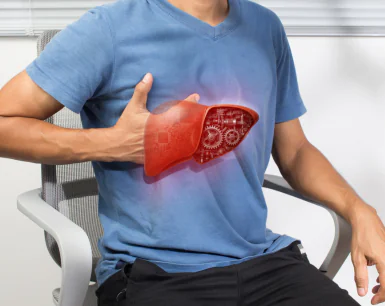

Being told you have a hernia can feel unsettling. For many people, the first reaction isn’t about treatment options or recovery times. It’s a simple, anxious question: do I really need hernia surgery? That concern is completely understandable. When symptoms are mild or only appear occasionally, the idea of an operation can feel like a big step.
The reassuring reality is that not every hernia needs immediate surgical repair. In some cases, non-surgical management may be appropriate for a period of time. However, it’s just as important to understand what these approaches can and cannot achieve. Knowing the limits of non-surgical hernia treatment helps you make informed decisions with confidence, rather than uncertainty.
Below, we explore what non-surgical hernia treatment really involves, what research suggests, and when surgery becomes the safer and more effective option.
Understanding What a Hernia Really Is
A hernia occurs when part of an internal organ or tissue pushes through a weakened area of muscle or connective tissue. This weakness may develop over time or result from strain, previous surgery, or natural changes in muscle strength. Everyday activities such as standing, lifting, coughing, or even digestion can increase pressure inside the abdomen, making the hernia more noticeable.
Common hernia types include those affecting the groin, the area around the navel, previous surgical scars, and the upper digestive tract. Some remain stable for years, while others gradually enlarge and become more uncomfortable.
Hernias do not heal on their own. While symptoms may fluctuate, the underlying weakness in the muscle remains.
When Surgery Isn’t Immediate: Is It Safe to Wait?
For people who experience little or no discomfort, a period of watchful waiting may sometimes be advised under medical supervision. This approach focuses on careful monitoring rather than immediate intervention, with the understanding that surgery should not be delayed once symptoms change or complications arise. Research has shown that delaying surgery after a hernia becomes urgent is associated with worse outcomes, reinforcing the importance of timely reassessment.
Watchful waiting does not mean ignoring the condition. It involves regular reviews and clear guidance on when to seek medical advice. Ongoing monitoring helps ensure that changes in size, discomfort, or behaviour of the hernia are identified early, reducing the risk of sudden complications.
This approach is generally most suitable when the hernia is small, painless, and easily reducible, and when the individual understands which warning signs should prompt urgent medical attention.
Lifestyle Adjustments That Can Help Manage Symptoms
While lifestyle changes cannot repair a hernia, they can reduce strain on the abdominal wall and help keep symptoms under control.
Weight management is one of the most important factors. Carrying excess weight increases pressure within the abdomen, which can worsen discomfort and encourage the hernia to enlarge. Research suggests that modest, gradual weight loss may help reduce hernia-related symptoms and potentially slow progression by lowering pressure within the abdomen.
Digestive health also plays a role. Regular straining during bowel movements places repeated stress on weakened tissue. A diet rich in fibre, adequate hydration, and early treatment of constipation can ease this pressure.
Smoking is another key consideration. Chronic coughing increases abdominal strain and affects tissue health. Stopping smoking may help control hernia symptoms and improve recovery outcomes if surgery is needed later.
For hernias affecting the upper digestive system, simple adjustments such as eating smaller meals, avoiding lying down soon after eating, and reducing trigger foods may help minimise reflux-related discomfort.
Support Garments: Do They Really Help?
Hernia belts or trusses are often promoted as alternatives to surgery. In practice, they are best viewed as temporary support rather than treatment.
When used correctly and under professional guidance, support garments may help some people feel more comfortable during daily activities or while waiting for surgery. However, they do not repair the muscle weakness and should never replace medical review.
Long-term or unsupervised use can sometimes cause skin irritation, discomfort, or a false sense of reassurance, delaying appropriate treatment.
Key points to remember about non-surgical support options:
- They may ease symptoms but do not fix the hernia.
- They should only be used following medical advice.
- Worsening abdominal pain or bulging needs reassessment.
- They are not suitable for all hernia types.
Can a Hernia Ever Go Away Without Surgery?
This is one of the most common questions patients ask, and the answer is a clear one.
There is no reliable medical evidence to suggest that adult hernias close naturally. While symptoms may come and go, the defect in the muscle remains. Over time, many hernias gradually increase in size, which raises the risk of complications such as obstruction or reduced blood supply to trapped tissue.
Delaying hernia surgery may be appropriate when symptoms are mild, other health conditions need stabilising, or personal circumstances make immediate treatment difficult. The key is regular review rather than avoidance.
When Surgery Becomes the Safer Choice
There are clear situations where hernia repair surgery is strongly recommended. Increasing pain, visible enlargement, or interference with daily activities should not be ignored. Symptoms such as nausea, vomiting, sudden tenderness, or a firm, non-reducible bulge require urgent medical attention.
Advances in surgical techniques mean that many hernia repairs are now minimally invasive, with smaller incisions, faster recovery, and excellent long-term outcomes. For most people, planned surgery is far safer than emergency treatment later.
How Phoenix Health Supports Patients at Every Stage
Phoenix Health provides specialist assessment and personalised guidance from experienced consultant surgeons. Patients benefit from timely access to care and expertise in both open and minimally invasive hernia repair techniques.
Many people find reassurance not just in the procedure itself, but in knowing they are supported from initial consultation through recovery. Clear communication, continuity of care, and prompt treatment help patients feel informed and confident at every stage.
If you have noticed a lump near the groin or thigh or have already been diagnosed with a hernia, it is important not to wait until symptoms worsen. Early assessment allows time to explore non-surgical management where appropriate and to plan surgery safely when needed.
Making the Right Decision for You
Managing a hernia isn’t about rushing into treatment or delaying it indefinitely. Non-surgical hernia treatment can play a role in symptom control and short-term management, but it is not a cure.
The most important step is having open, ongoing conversations with a healthcare professional who understands your symptoms, lifestyle, and overall health. With the right guidance, you can make choices that keep you safe, comfortable, and confident about the path ahead.
References:
https://link.springer.com/article/10.1007/s00464-019-07245-4
https://pubmed.ncbi.nlm.nih.gov/11589245/
Medically Reviewed by Lujain Alhassan, BSc, ANutr
Registered Associate Nutritionist and Bariatric Nutrition.