
For many people, deciding to have bariatric (weight-loss) surgery is a major turning point in their health journey. It often follows years of trying to manage weight, coping with health problems, or struggling with breathlessness, fatigue, and reduced mobility.
Before weight loss surgery, one essential step helps lay the groundwork for a safer procedure and a smoother recovery: the pre-bariatric surgery diet. Although it can feel challenging at times, this phase is grounded in strong clinical evidence and is designed with your safety and long-term success in mind.
Preparing Your Body for Change — Not Punishment
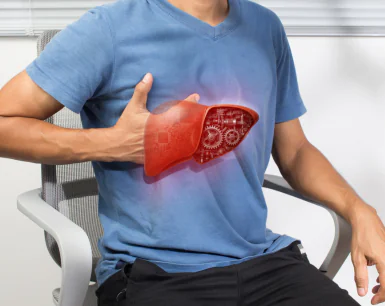
The pre-surgery diet isn’t a test of willpower or a strict crash diet. It’s a preparation that makes your operation safer. Many people with obesity unknowingly carry a large amount of fat around the liver. This can make the liver larger, heavier, and more difficult to move during keyhole surgery. Because the stomach sits directly underneath the liver, surgeons need to lift the liver gently to carry out the weight loss treatments safely.
A fatty or enlarged liver increases the risk of complications, which is why reducing liver fat beforehand is essential. A structured pre-bariatric diet helps your body use up stored fat. As liver fat reduces, the liver becomes smaller, lighter, and easier for surgeons to work around. This isn’t about restriction; it’s about preparing your body in a way that protects you and helps your surgical team do their job safely.
What the Science Says About the Pre-Bariatric Surgery Diet
Once you begin the pre-operative diet, your body starts drawing on its fat stores for energy. The liver is one of the first places where fat is lost, and it typically begins to shrink within days.
Most patients achieve significant liver reduction within two to three weeks, which is why clinics usually recommend this timeframe. Different hospitals or bariatric teams may use different versions of the diet. Some rely on meal-replacement products; others prefer structured food-based plans. Both approaches have the same clinically proven purpose: to shrink the liver so the surgeon can access the stomach safely.
Core principles of the liver-shrinking diet
Although versions vary slightly, all follow the same fundamentals:
- Low calorie
- Low carbohydrate
- Low fat
These changes encourage the liver to release stored glycogen and fat rapidly. If you’d like practical tips, a detailed breakdown of what you can eat, and common side effects, you can read our full Liver Shrinking Diet article here.
Patients also notice other early benefits, including a calmer appetite and the beginnings of adapting to smaller portions. The first few days can feel uncomfortable as your body adjusts, but this usually settles once fat mobilisation begins and energy levels level out.
When Preparation Becomes the First Step Towards Healing
Although the diet is medically necessary for liver reduction, it also marks an emotional shift for many people. This phase often feels like the first real step towards taking control of your health. Some of our patients describe it as the moment they finally feel supported. Others experience relief that progress is underway after years of frustration.
Because this stage is so important for safety, it must be carried out under medical supervision. Following an online diet or copying someone else’s plan can be dangerous, especially for people with diabetes, high blood pressure or other health conditions. At Phoenix Health, our specialist bariatric team tailors the diet to your individual needs so you can prepare safely and confidently.
Need Support with Your Pre-Bariatric Surgery Diet?
If you are preparing for bariatric surgery or would like guidance on what comes next, our team at Phoenix Health is here to help. You can call 01244 738 159, email enquiries@phoenix-health.co.uk or contact us on WhatsApp at +44 7551 582401.
Medically Reviewed by Lujain Alhassan, BSc, ANutr
Registered Associate Nutritionist and Bariatric Nutrition.
Enquiry Form