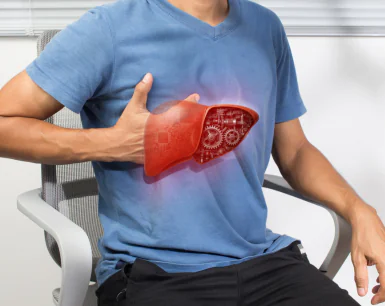

When people think about a hernia, they often imagine a clear lump or bulge in the tummy or groin that’s obvious and easy to spot. While this can happen, many hernias develop quietly and cause symptoms that are subtle, intermittent, or easy to dismiss.
Early symptoms are often mistaken for muscle strain, digestive problems, or general aches and pains. Because the discomfort may come and go, many people delay seeking advice, hoping the problem will resolve on its own. Unfortunately, hernias do not heal without treatment, and symptoms can gradually worsen over time.
Recognising the early warning signs can help you seek care sooner and reduce the risk of complications. Below are some of the less obvious symptoms that many patients experience before a hernia becomes more noticeable.
-
Ongoing Pelvic Pain
Ongoing pelvic pain can be difficult to pinpoint and is often linked to a range of possible causes. In some cases, this discomfort may be related to a hernia that is small or located deep within the body.
The pain may feel dull, aching, or sharp and can sometimes spread into the lower abdomen, hip, lower back, or upper leg. It may worsen with activity and ease when resting, which can make it easy to overlook.
In women particularly, groin or femoral hernias might be mistaken for gynaecological conditions such as ovarian cysts or endometriosis. Because these hernias may not produce a visible lump, they can be harder to diagnose and sometimes require detailed imaging to identify. Persistent pelvic pain without a clear explanation should always be assessed.
-
Weakness or Heaviness in the Groin or Leg
A feeling of weakness, pressure, or heaviness in the groin or upper leg is a common early sign of a hernia. Rather than sharp pain, many people describe it as a dragging or weighted sensation.
This feeling often becomes more noticeable after standing or walking for long periods, lifting objects, or being physically active throughout the day. Because it doesn’t always feel painful, it is frequently mistaken for muscle fatigue or strain.
If this sensation keeps returning or gradually becomes more uncomfortable, it may indicate a weakening in the abdominal wall and should not be ignored.
-
Nausea and Vomiting
Although nausea and vomiting are not commonly associated with hernias, they can be important warning signs. In some cases, part of the bowel can become trapped within the hernia, affecting digestion and movement through the gut.
This may lead to nausea, vomiting, bloating, or general abdominal discomfort. When these symptoms occur alongside groin or abdominal pain, they may suggest a more serious issue that requires prompt medical attention.
Digestive symptoms combined with pain should always be taken seriously, as early assessment can help prevent complications.
-
Fever Alongside Pain
A fever occurring alongside pain, tenderness, or swelling near a hernia site is a concerning sign. This may indicate a strangulated hernia, where the blood supply to the trapped tissue is reduced.
Symptoms can include increasing pain, redness over the area, fever, and feeling generally unwell. This situation is a medical emergency and requires immediate treatment to prevent serious damage to the affected tissue.
Any combination of fever and worsening hernia-related pain should never be ignored.
-
Pain Triggered by Movement or Strain
Pain that appears during certain movements is one of the most common early signs of a hernia. This discomfort may occur when:
- Lifting or carrying heavy items
- Bending, twisting, or reaching
- Coughing or sneezing
- Standing for long periods
The pain is often described as pressure, tightness, or a dull ache rather than sharp pain. Because it tends to ease with rest, many people assume it is harmless and delay seeking advice.
However, repeated pain triggered by movement or strain is a clear signal that something is not right and should be investigated.
-
Constipation or Digestive Changes
Some hernias can affect the bowel, leading to constipation, bloating, or difficulty passing wind. These digestive changes may develop gradually and are sometimes accompanied by abdominal discomfort or nausea.
While digestive issues are common, persistent changes, particularly when combined with groin or abdominal pain, should not be dismissed. A hernia affecting the bowel can interfere with normal digestion and may worsen without treatment. Early assessment can help identify the cause and prevent further complications.
Why It’s Better Not to Wait
Many people live with hernia symptoms for months or even years, hoping they will improve on their own or worrying about what treatment might involve. However, hernias do not repair themselves, and delaying care can allow symptoms to worsen over time.
When treated earlier, hernia surgery is often simpler, and recovery can be smoother, particularly with modern minimally invasive techniques. Early treatment can also reduce the risk of complications and prolonged discomfort.
Private Hernia Surgery Without the Wait at Phoenix Health
At Phoenix Health, you don’t need to wait for symptoms to worsen before seeking care. Our private hernia surgery offers fast access to experienced consultant surgeons, each with over 20 years of surgical expertise.
We specialise in minimally invasive hernia repair, helping patients return to normal activities sooner with less disruption. From your initial hernia consultation through to recovery, you’ll receive clear advice, personalised care, and ongoing support.
Appointments are flexible, surgery is prompt, and everything is designed around your needs. To arrange a consultation, call Phoenix Health on 01244 851 886. Our friendly clinical team will be happy to talk through your options and help you take the next step with confidence.
References:
https://pmc.ncbi.nlm.nih.gov/articles/PMC3015620/
Medically Reviewed by Mr. Qutayba Almerie, MD, MSc, FRCS
Consultant Upper GI & Bariatric Surgeon, Medical Director at Phoenix Health.