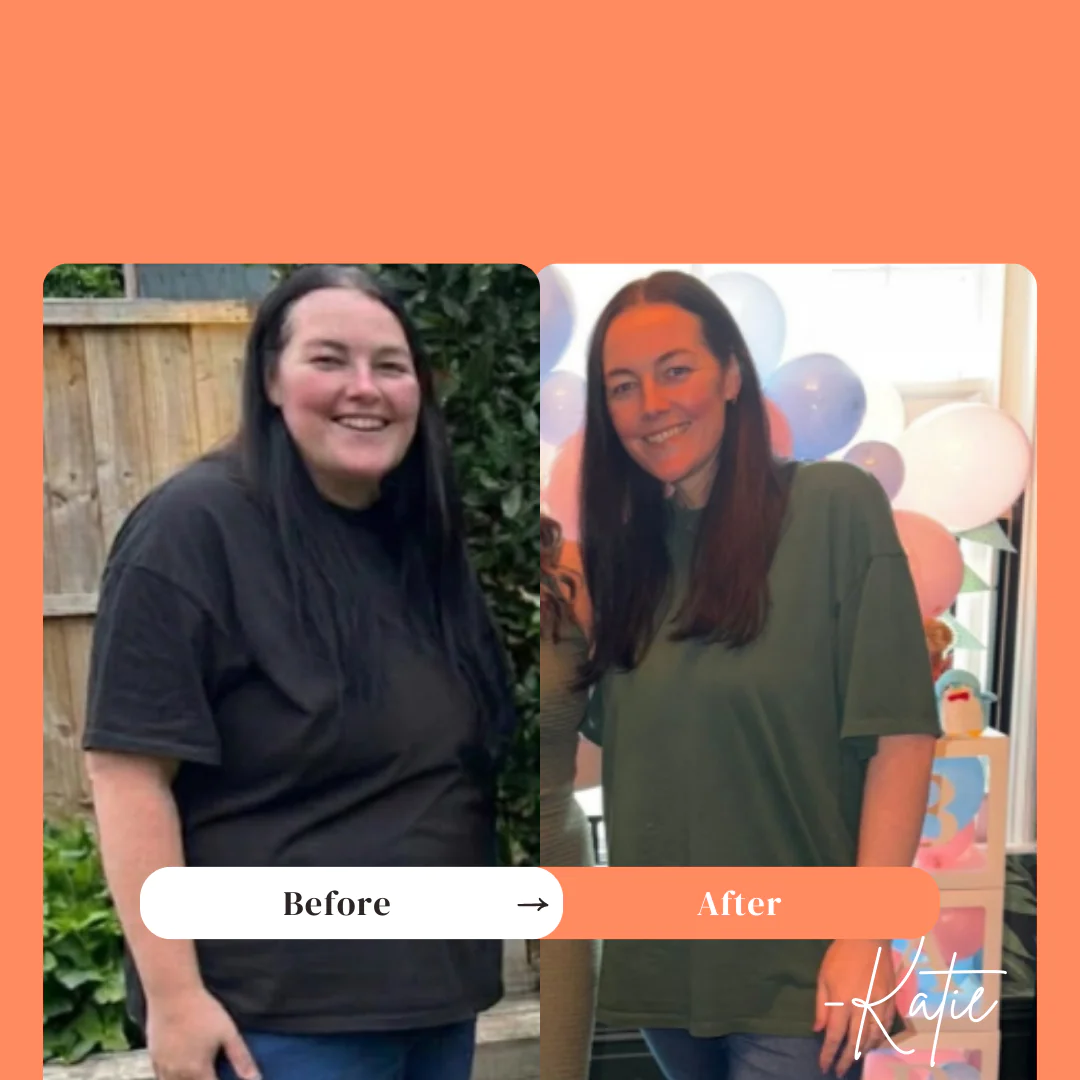

Obesity is a complex health condition that affects millions of people and has wide-ranging consequences. In the UK alone, recent data shows that around 1 in 4 adults are living with obesity, putting increasing pressure on health services and contributing to a rise in conditions like type 2 diabetes, heart disease, and joint problems. Too often, carrying excess weight is seen as simply a matter of willpower, as though eating less and exercising more should be enough to solve it. But the truth is far more complicated.
If you’re living with obesity, or know someone who is, it’s crucial to understand why ignoring it can put your health at serious risk and that real, effective solutions are available.
It’s Not Just About Willpower
One of the biggest misconceptions about obesity is that it’s purely caused by personal choices. While diet and physical activity are important, research shows that carrying excess body weight is usually influenced by multiple factors, including genetics, hormones, environment, and mental health.
Studies highlight that when people lose weight, their bodies react by slowing metabolism and increasing hunger signals. This natural biological response can make long-term weight maintenance much more challenging, even when someone is doing everything ‘right.’
That’s why many people experience frustrating cycles of weight loss and regain. It’s a clear sign that obesity is not a simple lack of willpower; it’s a medical condition that requires comprehensive care and support.
The Health Risks of Ignoring Obesity
Obesity is linked to a long list of serious health problems. Leaving it unaddressed allows these risks to build up over time. Research consistently shows that excess weight can lead to:
- Heart disease and stroke
- Certain cancers
- Sleep disorders such as sleep apnoea
- Joint pain and osteoarthritis
- Mental health concerns, including depression and anxiety
Studies have shown that people living with obesity are several times more likely to develop type 2 diabetes compared to those in a healthy weight range. Likewise, heart health deteriorates steadily as body weight increases, making conditions like high blood pressure and stroke more likely.
Obesity also affects quality of life in more subtle ways. It can reduce mobility, make everyday activities more challenging, and create barriers to leading a full and active life.
The Emotional and Psychological Impact
What’s often overlooked is the emotional toll of living with significant excess weight. Many people face stigma and judgement in their daily lives, which can lead to feelings of low self-esteem, frustration, and reluctance to seek help. This social pressure can make managing weight even more challenging, creating a cycle that’s difficult to break without the right support and understanding.
Experts increasingly recognise that addressing mental well-being is just as important as tackling physical health. A compassionate, supportive approach can make all the difference, helping people feel seen and heard rather than blamed.
Encouragingly, attitudes are shifting. More health services are now focusing on supportive, non-judgmental care that treats the whole person, not just their weight.
The Good News: Effective Treatments Are Available in the UK
There’s real hope for those who’ve struggled with weight loss. Treatments for obesity have evolved dramatically in recent years, offering new tools to help people regain their health.
Bariatric surgery (weight loss surgery) has been proven in numerous studies to lead to significant, sustained weight loss and improvements in related health conditions like diabetes and sleep apnoea. Many patients at Phoenix Health report life-changing improvements, such as enhanced mobility, reduced dependence on medications, and a significant boost in confidence and overall well-being.
In addition, non-surgical weight loss treatments such as GLP-1 receptor agonists (including semaglutide and tirzepatide) are showing excellent results. These medications help regulate appetite and improve blood sugar control, offering crucial support for people who find that lifestyle changes alone aren’t enough.
The key is seeking advice from a healthcare provider, such as your GP or a bariatric specialist, who can help identify the best course of action for your needs.
A Shift Towards Empowerment
One of the most positive developments in recent years is the shift in how people view and manage obesity. Increasingly, those living with weight-related health issues are recognising that their well-being matters, and that asking for help is a sign of strength.
There’s growing awareness in the UK that obesity is a complex health condition requiring professional support, just like any other chronic illness. Patients are becoming more proactive, whether it’s through making lifestyle adjustments, exploring medical weight loss programmes, or seeking surgical solutions. The focus is no longer solely on weight loss, but on improving overall health, mobility, and quality of life.
Take the First Step with Phoenix Health UK
If you or someone you care about is living with significant weight challenges, remember: you are not alone, and support is available. At Phoenix Health, we understand the complex health issues linked to excess weight and are here to help you explore safe, effective treatment options, whether that’s expert-led weight management programmes, medical therapies, or weight loss surgery.
We are trusted by the NHS and recognised as one of the UK’s leading private bariatric clinics, with over 20 years of excellence in weight loss surgery and care. Our team of specialist surgeons and clinicians provides compassionate, personalised treatment designed to support long-term health improvements.
Contact us today on 01244 738 159 to arrange a consultation or learn more about how we can help you achieve a healthier, more active life. Your health matters—and the first step starts here.
References:
NHS. Obesity: Overview and Statistics. Available at: https://www.nhs.uk/conditions/obesity
McPherson R. Genetic contributors to obesity. Can J Cardiol. 2007;23(Suppl A):23A–27A. Available at: https://doi.org/10.1016/s0828-282x(07)71002-4
Malik VS, Popkin BM, Bray GA, Després JP, Hu FB. Sugar-sweetened beverages, obesity, type 2 diabetes mellitus, and cardiovascular disease risk. https://www.ahajournals.org/doi/full/10.1161/CIRCULATIONAHA.109.876185
Medically Reviewed by Lujain Alhassan, BSc, ANutr
Registered Associate Nutritionist and Bariatric Nutrition