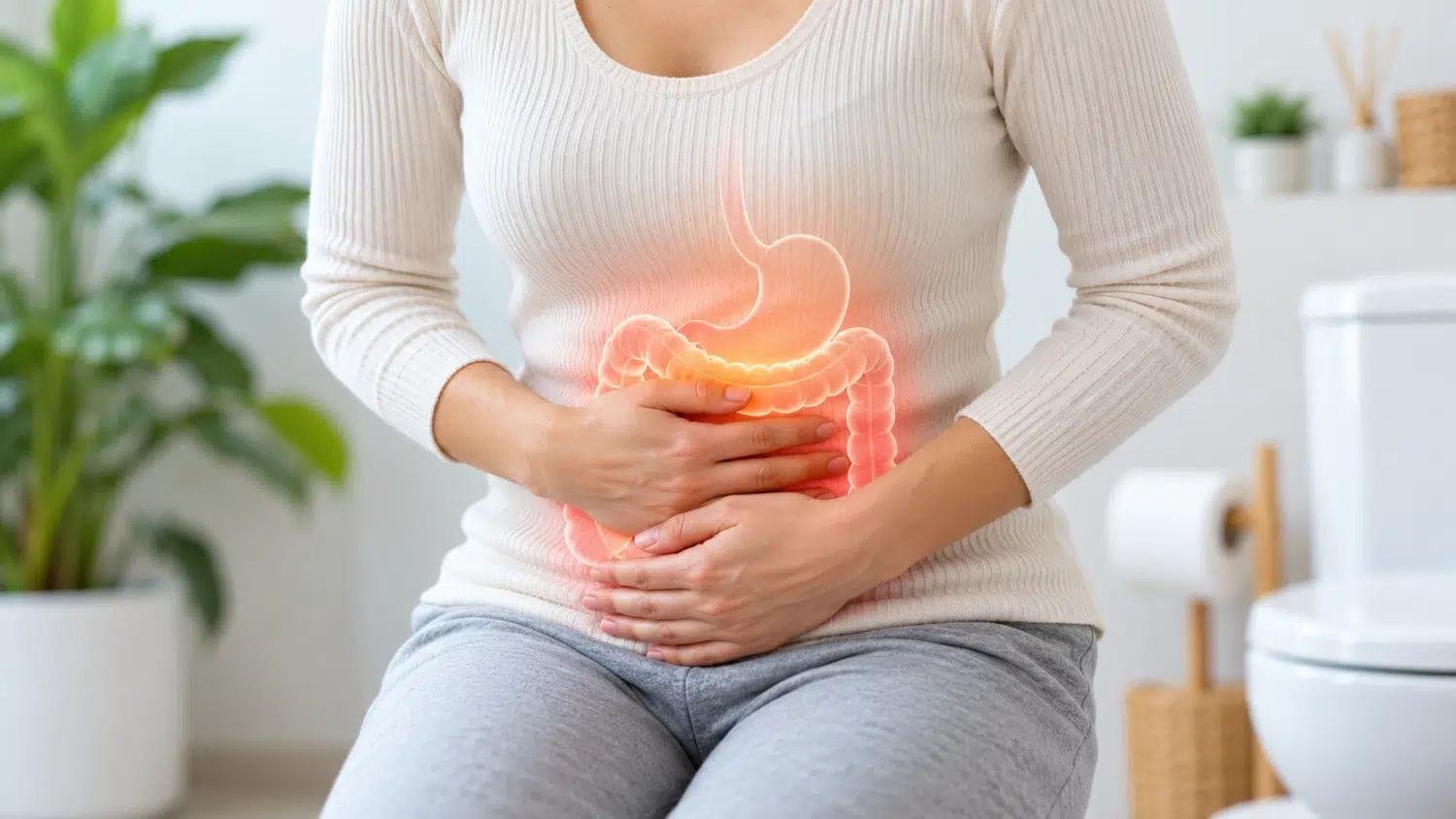
Gallbladder conditions, including gallstones and inflammation, can significantly affect day-to-day comfort and digestion. Many patients experience symptoms such as upper abdominal pain, bloating, or nausea, often after eating certain types of food.
Understanding the 15 foods to avoid with gallbladder issues is an important step in managing symptoms and reducing the risk of further complications. The gallbladder supports digestion by storing bile, which helps break down fats. When meals are consistently high in saturated fats or heavily processed ingredients, this can place additional strain on the gallbladder and trigger discomfort.
Why Diet Matters for Gallbladder Health
Diet is one of the most common triggers for gallbladder-related symptoms. In the UK, everyday eating habits often include fried foods, processed meats, ready meals, and high-fat dairy products. While convenient, these foods can be more difficult to digest and may increase the likelihood of flare-ups.
A clinically supported approach focuses on reducing fat intake, increasing fibre, and choosing foods that are easier to process. This helps to ease digestive pressure while supporting overall gut health.
The following are 15 foods to avoid with gallbladder issues:
For many patients, symptoms are closely linked to specific dietary triggers, particularly foods high in fat, refined sugars, or those that are difficult to digest. These can overstimulate the gallbladder or disrupt bile flow, leading to pain and discomfort.
In the UK, common triggers often include fried meals, processed products, and convenience foods. Being aware of these can help you make more informed choices and better manage symptoms.
- Fried foods such as fish and chips, fried chicken, and battered items
- Fatty cuts of red meat including beef, lamb, and pork
- Fast foods like burgers, pizzas, and takeaway meals
- Processed meats such as sausages, bacon, and salami
- Packaged snacks including crisps and processed savoury foods
- Ready meals and convenience foods high in fat and preservatives
- Full-fat dairy products such as whole milk, butter, cream, and cheese
- Creamy sauces and dressings like mayonnaise and cheese-based sauces
- Egg yolks when consumed in excess
- Refined carbohydrates including white bread, pastries, and cakes
- Sugary foods such as sweets, desserts, and confectionery
- Chocolate products high in sugar and fat
- Alcoholic drinks
- Carbonated beverages such as fizzy drinks
- High-fat coffee drinks made with cream or syrups
Avoiding these foods does not mean restricting your diet entirely. Many patients find that simple changes such as choosing grilled options over fried foods or opting for low saturated fat alternatives can make a noticeable difference.
While dietary changes can help manage symptoms, some patients may continue to experience discomfort depending on the underlying cause.
When Gallbladder Symptoms Need Attention:
Gallbladder related discomfort often appears after eating, particularly following fatty meals. Pain is typically felt in the upper right side of the abdomen and may sometimes radiate to the back or shoulder. Other symptoms can include nausea, bloating, and indigestion.
While mild symptoms may improve with dietary changes, persistent or severe pain should always be assessed by a healthcare professional, as this may indicate gallstones or inflammation requiring further investigation.
Supporting Your Gallbladder Through Diet
Alongside avoiding trigger foods, adopting supportive eating habits can help reduce the frequency and severity of symptoms. Meals that are lower in fat and higher in fibre are generally easier to digest and place less strain on the gallbladder.
Incorporating whole foods such as oats, fruits, vegetables, and whole grains can support digestive balance. Lean protein sources, including chicken, fish, and plant based options like lentils, are often better tolerated. Cooking methods such as grilling, steaming, or baking are typically recommended over frying.
Eating smaller, more regular meals and maintaining good hydration can also help regulate digestion and reduce discomfort.
Private Gallbladder Removal Surgery and Patient Care
While dietary changes can help manage symptoms, they may not always address the underlying cause. In some cases, particularly where gallstones are present, further medical treatment or surgery may be required.
If you experience ongoing discomfort or pain that could be linked to gallbladder conditions, it is important not to ignore it. Early assessment allows for a clearer diagnosis and helps prevent complications.
At Phoenix Health, our specialists provide expert evaluation and personalised care for gallbladder conditions. Where appropriate, we offer minimally invasive gallbladder removal surgery (laparoscopic cholecystectomy), a commonly performed procedure designed to reduce recovery time and support a safe return to everyday activities.
If you are experiencing symptoms, fill in our enquiry form today to receive a FREE call back from our team.
Frequently Asked Questions (FAQ)
What are the early signs of gallbladder problems?
Early gallbladder symptoms often include pain in the upper right abdomen, especially after eating fatty foods, along with bloating, nausea, and indigestion.
Can avoiding certain foods prevent gallbladder attacks?
Dietary changes can help reduce the frequency and severity of symptoms. However, in some cases, medical treatment or gallbladder removal surgery may be required, particularly if gallstones are present or severe symptoms persist.
Is a low-fat diet necessary for gallbladder health?
A lower-fat, particularly saturated-fat, diet is generally recommended, as it reduces the workload on the gallbladder and helps improve digestion.
Is gallbladder removal surgery safe?
Gallbladder removal (cholecystectomy) is a commonly performed procedure in the UK. Minimally invasive techniques are widely used and typically allow for faster recovery.
References:
https://www.cuh.nhs.uk/patient-information/dietary-advice-for-patients-with-gallstones/
https://www.medicalnewstoday.com/articles/317196
Medically Reviewed by Lujain Alhassan, BSc, ANutr
Registered Associate Nutritionist and Bariatric Nutrition