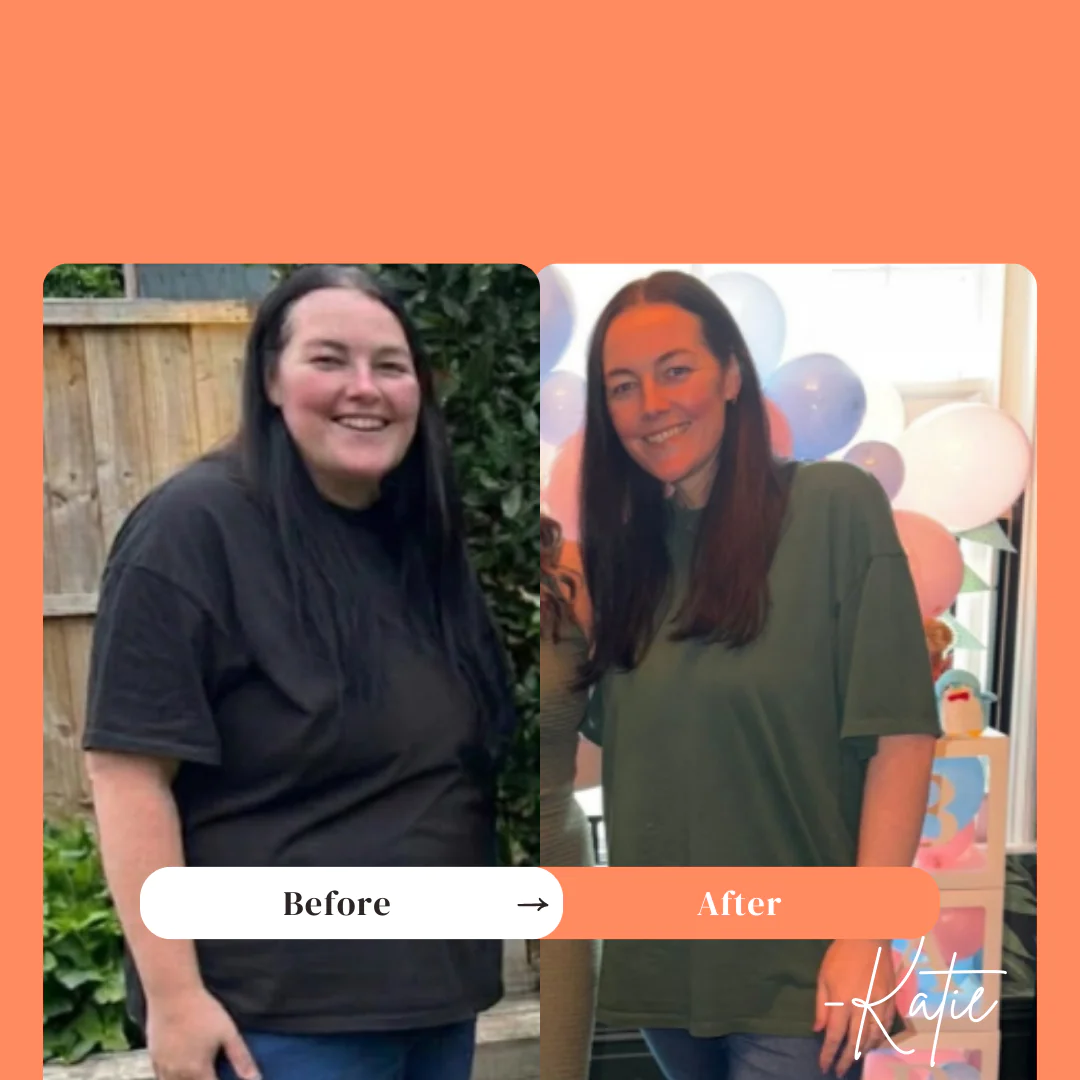

Gastric sleeve surgery (sleeve gastrectomy) is one of the most effective and popular weight loss procedures available today. It has helped thousands of people across the UK achieve long-term weight loss, improve obesity-related health conditions, and feel more confident in daily life.
For many people, the results are life -changing. But like any surgery, it’s natural to have questions or concerns about potential side effects, and one of the more common topics patients ask about is acid reflux, also known as gastro-oesophageal reflux disease (GORD).
The good news? For most people, reflux symptoms after sleeve surgery are mild, temporary, or easily managed, and in some cases, existing reflux improves after weight loss.
In this blog, we’ll explain what reflux is, how it can be affected by sleeve surgery, what symptoms are normal, and what can be done to help you feel better if it becomes uncomfortable.
What is Acid Reflux or GORD?
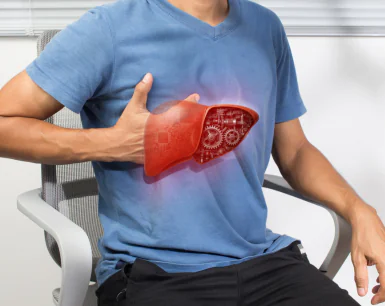
Acid reflux, or GORD, is a condition in which stomach acid flows back into the oesophagus (the food pipe), sometimes causing a burning sensation in the chest (heartburn), regurgitation, or a sour taste in the mouth. While reflux can affect anyone, it is slightly more common in people who are overweight or obese due to increased pressure inside the abdomen.
A valve at the bottom of the oesophagus called the lower oesophageal sphincter (LOS) usually prevents stomach contents from moving upwards. If the LOS becomes weakened or pressure inside the stomach rises, reflux can occur.
How Is Gastric Sleeve Surgery Connected?
During sleeve gastrectomy, a large portion of the stomach is removed, creating a smaller, tube-shaped stomach. This change allows patients to feel full with less food, making it easier to lose weight and keep it off. However, the new shape of the stomach may slightly increase pressure, and in some patients, this can affect the way the LOS functions.
It’s important to note that while some patients may notice symptoms of acid reflux after their sleeve procedure, many do not, and in some cases, pre-existing reflux actually improves due to weight loss.
What’s Normal After Surgery?
It’s completely normal to experience mild or occasional reflux in the early weeks after surgery as your body adjusts to its new anatomy and eating habits. For most people, these symptoms settle with time, minor dietary changes, or short-term medication.
We’re Here to Support You
At Phoenix Health, your comfort and safety are our priorities. We take a personalised approach to weight loss surgery, starting with a thorough pre-operative assessment to identify any potential risk factors for reflux. This helps us recommend the best surgical option for your individual needs, whether that’s a sleeve, bypass, SADI-s, band, or another approach.
If reflux does occur after surgery, we offer a range of proven, patient-focused treatments to help you feel better and stay on track.
How We Manage Reflux After Surgery
- Medication and Non-Surgical Relief
Most cases of mild-to-moderate reflux after gastric sleeve surgery are well managed with medication and are often all that’s needed to control symptoms while the body adjusts to its new stomach shape.
- Advanced Treatment Options
For those who continue to experience more persistent symptoms, we offer further solutions, including
Conversion to gastric bypass: This option reduces pressure inside the stomach and diverts acid away from the oesophagus. It can also provide additional weight loss benefits if required.
Reflux management devices: Though less commonly used in the NHS, private patients may have access to treatments such as the LINX® system, a magnetic ring placed around the LOS to help prevent reflux.
Every patient is different, and we’ll work closely with you to find the best solution.
- Lifestyle Habits That Can Help
Many patients find that simple lifestyle changes can make a big difference in managing reflux symptoms:
Continue with weight loss: Maintaining a healthy BMI significantly reduces reflux risk.
Avoid late-night eating: Allow 2–3 hours between your last meal and bedtime.
Limit trigger foods: These may include spicy or fried foods, chocolate, alcohol, citrus, and caffeine.
Eat smaller, more frequent meals: Avoid overeating to reduce pressure inside the stomach.
Stop smoking: Smoking weakens the LOS and can make reflux worse.
Elevate the head of your bed: This can help prevent night-time reflux.
At Phoenix, our aftercare package includes expert dietary support to help you build healthy habits and reduce the chance of reflux after your sleeve surgery. We want to reassure all of our patients that acid reflux is not a barrier to successful sleeve surgery. Most patients do not experience significant reflux long-term, and those who do can find effective relief through the right combination of medication, lifestyle changes, and, if needed, surgical adjustment.
If you experience reflux symptoms after surgery, we’re here to listen, investigate, and support you every step of the way.
Thinking About Weight Loss Surgery?
If you’re considering a gastric sleeve in the UK or any other bariatric surgery in the UK, we’re here to help guide you through your options with honesty, care, and clinical expertise.
Book a consultation with our specialist team to discuss your weight loss goals and ask any questions about reflux, long-term results, or alternative procedures. Your journey is unique, and we’re here to make sure it’s the right one for you.