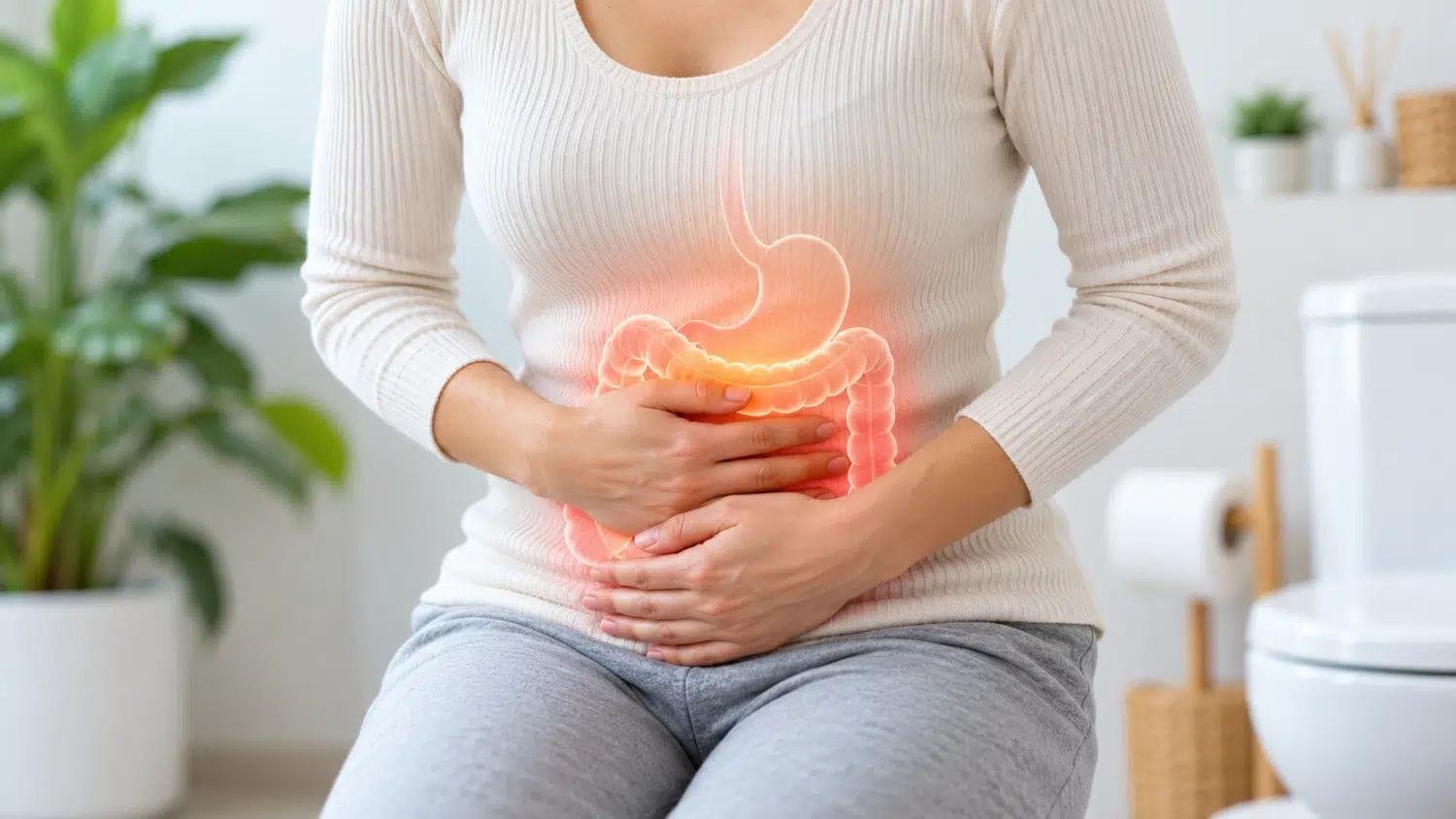

Gastric sleeve surgery (sleeve gastrectomy) is one of the most effective and popular weight loss procedures available today. It has helped thousands of people across the UK achieve long-term weight loss, improve obesity-related health conditions, and feel more confident in daily life.
For many people, the results are life-changing. However, adjusting to a smaller stomach also means changing not only what you eat, but how and when you eat. Some people may experience acid reflux or heartburn after gastric sleeve surgery, and certain eating habits can make symptoms more noticeable.
If you want to understand more about why reflux can occur following a sleeve, read our guide. In this article, we’re focusing specifically on practical eating and lifestyle habits that may help reduce reflux symptoms after surgery.
Why Can Eating Habits Affect Reflux After Gastric Sleeve Surgery?
During sleeve gastrectomy, a large portion of the stomach is removed, creating a smaller, tube-shaped stomach.
Because your stomach has a much smaller capacity following surgery, eating too much or too quickly can be uncomfortable and may increase pressure within the stomach. Learning to recognise fullness and adapting your eating habits is therefore an important part of recovery after a gastric sleeve.
Your bariatric team will provide dietary guidance for each stage of recovery, and this should always take priority over general dietary advice.
Eat Smaller Portions and Avoid Overeating
Portion size is particularly important following gastric sleeve surgery. Trying to eat beyond the point of comfortable fullness can increase pressure within the stomach and may contribute to reflux or regurgitation.
Eat slowly, use the portion guidance provided by your bariatric team and stop when you begin to feel satisfied. It can take time to become familiar with your body’s new fullness signals after surgery.
Take Your Time When Eating
Eating quickly can make it easier to consume more than your new stomach can comfortably manage. Take small mouthfuls, chew food thoroughly and give yourself enough time to finish each meal.
Slowing down can also help you recognise when you are becoming full before discomfort develops.
Identify Foods That Trigger Your Symptoms
There isn’t necessarily one list of foods that causes reflux for everyone. Your tolerance may also change as you progress through the different stages of your post-operative diet.
Some commonly reported trigger foods and drinks can include:
- spicy foods
- fried or high-fat foods
- chocolate
- citrus
- caffeine
- alcohol
Rather than unnecessarily excluding a large number of foods, pay attention to which foods appear to trigger symptoms for you and discuss persistent problems with your bariatric dietitian or clinical team.
You can also read our guide to foods to avoid after bariatric surgery.
Be Mindful of Drinking Around Meals
Following bariatric surgery, patients are generally given specific guidance about fluids and mealtimes. Drinking large quantities alongside a meal may make your smaller stomach feel overly full.
Follow the fluid guidance provided by your bariatric team and continue to prioritise adequate hydration throughout the day. It’s also important to recognise the signs of dehydration after gastric sleeve surgery, particularly during the early stages of recovery.
Other Lifestyle Habits That May Help
Eating habits are only one part of reflux management. Other lifestyle measures may also help depending on your individual symptoms.
Continue with your weight-loss plan: Achieving and maintaining weight loss may help reduce abdominal pressure associated with reflux.
Stop smoking: Smoking can affect the lower oesophageal sphincter and may make reflux symptoms worse.
Consider your sleeping position: Elevating the head of your bed may help some people experiencing night-time reflux.
Follow your aftercare plan: Your bariatric team’s advice is particularly important while your stomach is healing and you are progressing through the different stages of eating.
At Phoenix Health, our aftercare package includes dietary support to help patients adjust to eating following bariatric surgery and build sustainable eating habits.
What If Changing Your Diet Doesn’t Improve the Reflux?
Dietary and lifestyle changes may help with mild symptoms, but persistent or worsening reflux shouldn’t simply be managed by continually removing foods from your diet.
If reflux continues, becomes more severe or is affecting your ability to eat comfortably, speak to your bariatric team. They can assess your symptoms and advise whether further investigation or treatment is appropriate.
Treatment may include medication, and some patients with significant persistent reflux may require further assessment for other treatment options. For a more detailed explanation of why reflux occurs after sleeve surgery and the treatment options available, read our guide to acid reflux after gastric sleeve surgery.
Eating Well After Gastric Sleeve Surgery
Adjusting to eating after gastric sleeve surgery takes time. Smaller portions, slower eating, avoiding meals close to bedtime and understanding your individual food triggers can all form part of managing reflux while adapting to your new stomach.
Most importantly, don’t feel that you need to manage persistent symptoms through diet alone. Your bariatric team can help identify what may be contributing to your reflux and recommend appropriate bariatric treatment where necessary.
If you’re considering a gastric sleeve in the UK or another form of bariatric surgery, our team can help you understand your options, the recovery process, and the long-term dietary changes involved. Book a consultation with our specialist team to discuss your weight loss goals and find out which treatment may be appropriate for you.
Medically Reviewed by Mr. Qutayba Almerie, MD, MSc, FRCS
Consultant Upper GI & Bariatric Surgeon, Medical Director at Phoenix Health.
Enquiry Form