
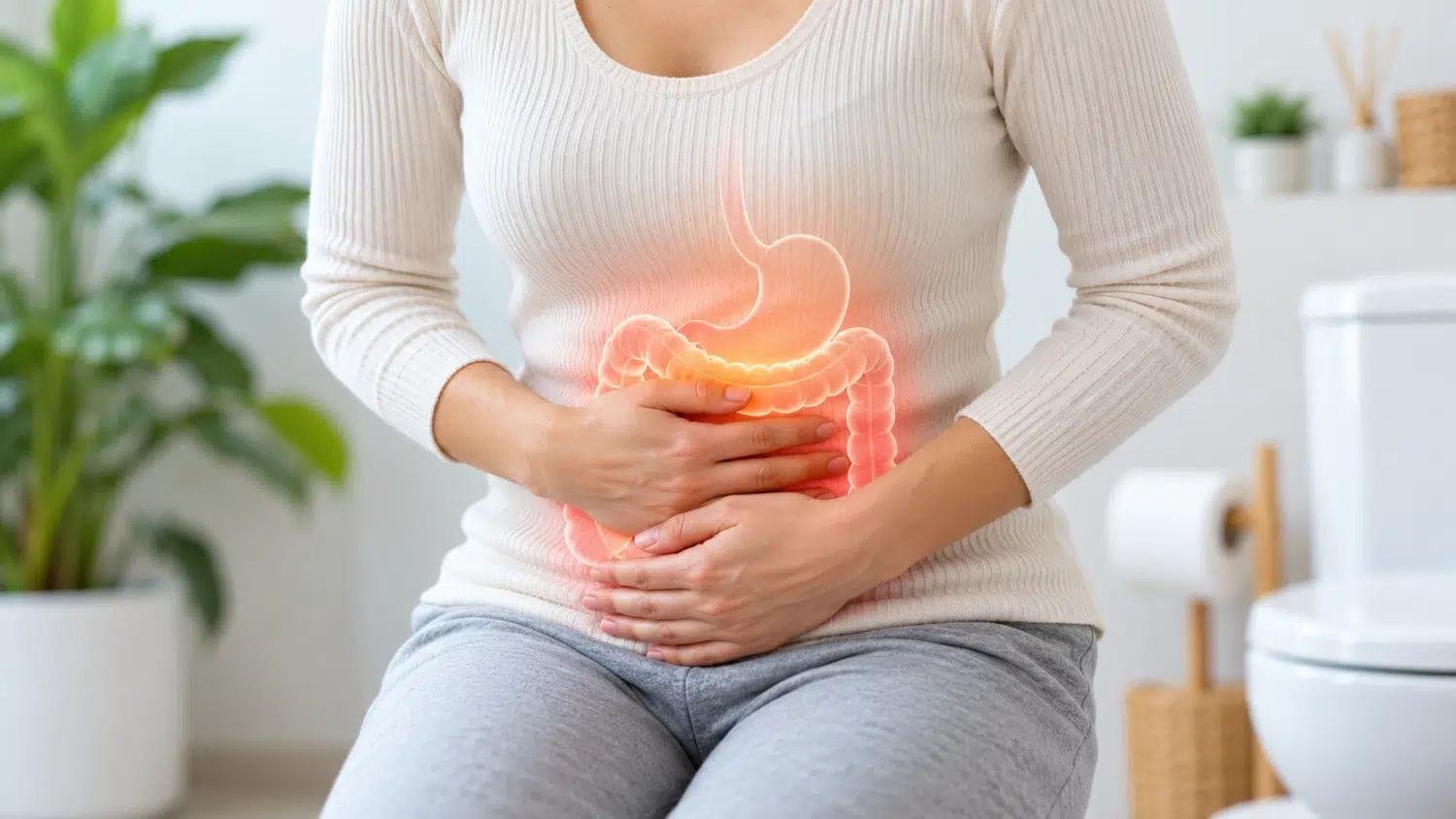
If your bowel habits have changed after bariatric surgery, this is not unusual. Constipation can happen during recovery, particularly while your body is adjusting to a different way of eating, drinking, and digesting food.
But going to the toilet less often does not necessarily mean you are constipated. After weight loss surgery, you are eating considerably less than before, so there is also less waste passing through your digestive system.
Constipation is more about what you experience. Hard stools, straining, difficulty opening your bowels, bloating, or feeling that you have not completely emptied your bowel can all be signs.
So why does constipation happen after bariatric surgery, and what can you do about it?
Why Can Constipation Happen After Bariatric Surgery?
There is rarely just one reason. Your digestive system and daily routine are both going through changes after surgery.
Your digestion has changed.
Bariatric surgery changes more than the amount of food your stomach can hold. Depending on the procedure, it can also affect digestive hormones, how quickly food moves through your digestive system, and the balance of bacteria living in your gut.
These changes can influence your bowel habits. However, they do not affect everyone in the same way, and constipation is not always the result.
A study published in Obesity Surgery found that more than a quarter of patients experienced constipation six months after bariatric surgery, alongside a reduction in bowel movement frequency.
You are eating less fibre
Your post-operative diet is deliberately limited while you recover. Smaller portions mean you may be getting less fibre than before surgery.
A study published in Obesity Surgery found that smaller food portions, difficulty tolerating fibre-rich foods and discomfort when eating may contribute to low fibre intake after bariatric surgery.
As your diet progresses, you can gradually introduce suitable fibre-rich foods while following your bariatric team’s advice.
Getting enough fluid can be difficult.
Drinking also feels different after surgery. Instead of drinking a large amount at once, sip regularly throughout the day. If you do not manage enough fluid, stools can become harder and more difficult to pass.
Medication and activity can play a part.
Some pain medicines can slow the bowel, while iron supplements may contribute to constipation in some people. You are also likely to be less active immediately after an operation, which can further affect bowel movement.
Is Constipation More Common After Gastric Sleeve or Gastric Bypass?
There is no simple answer. Constipation can happen after both operations, particularly during recovery, and individual experiences vary.
Constipation After Gastric Sleeve
Constipation after gastric sleeve may be more noticeable as you progress through the early post-operative diet.
Sleeve gastrectomy reduces the size of the stomach but does not reroute the intestines. During the first few weeks, you gradually progress through liquids, pureed foods, and soft foods before returning to regular textures.
During this period, smaller portions and a limited range of foods can make constipation more likely.
Constipation After Gastric Bypass
Constipation after gastric bypass can occur for many of the same reasons, although the operation itself is different.
Gastric bypass creates a smaller stomach pouch and changes the route food takes through part of the digestive system, which can affect how your digestive system functions after surgery.
However, long-term constipation after gastric bypass should not automatically be accepted as a normal consequence of surgery. If it continues, repeatedly returns, or develops after your bowel habits had previously settled, speak to your bariatric team or GP.
How Can You Relieve Constipation After Bariatric Surgery?
If you are experiencing constipation after gastric bypass, gastric sleeve or another bariatric procedure, there are a few practical things that may help:
Keep on top of your fluids. Aim for around 1.5 to 2 litres throughout the day, unless your bariatric team has advised you differently. Sipping regularly can make this easier.
Introduce fibre gradually. As your diet progresses, suitable options may include porridge, fruit and vegetables, beans, peas and lentils. You do not need to rush to reach the usual adult fibre target during the early months after surgery. Your protein and fluid intake are also important, so follow your bariatric team’s diet plan.
Keep moving. Once it is safe to do so, short walks and gradually increasing your daily activity can help encourage normal bowel movement while supporting your overall recovery.
What If You Still Can’t Go?
If changes to your fluids, diet and activity are not enough, you may need a laxative.
Different laxatives work in different ways. Some soften stools, some draw water into the bowel, and others stimulate bowel movement. What is suitable for you can depend on your symptoms and how far you are into your recovery.
Speak to your bariatric team, GP or pharmacist if you are unsure what to use rather than regularly trying different laxatives yourself. Try to avoid repeated straining too, as this can contribute to problems such as haemorrhoids.
When Is Constipation More Than Just Constipation?
Most episodes of constipation after weight loss surgery can be managed, but not every abdominal symptom after an operation should be put down to constipation.
Speak to your healthcare team if constipation is persistent, keeps returning or you notice an unexplained change in your bowel habits. Blood in your stool should also be discussed with a healthcare professional.
If you have recently had bariatric surgery and develop severe or worsening abdominal pain, persistent vomiting, increasing abdominal swelling or difficulty keeping fluids down, seek medical advice promptly.
Support After Bariatric Surgery
If you are a Phoenix Health patient and have questions about constipation or any other aspect of your recovery, contact our bariatric team for advice and support.
References
Afshar S, Kelly SB, Seymour K, Woodcock S, et al. The Effects of Bariatric Procedures on Bowel Habit. Obesity Surgery. 2016;26:2348–2354.
https://link.springer.com/article/10.1007/s11695-016-2100-9
Grosse CS, Cope VC. Dietary Fibre Intake and Bowel Habits After Bariatric Surgery: A Structured Literature Review. Obesity Surgery. 2019.
https://link.springer.com/article/10.1007/s11695-019-03837-0
Royal Berkshire NHS Foundation Trust. Dealing with Constipation After Bariatric (Weight Loss) Surgery. April 2025.