If you have recently been told you have gallstones, you are certainly not alone. Gallstones affect millions of people across the UK, and while many people never notice them, others experience discomfort, bloating, nausea, and pain after eating. One of the first things most people want to know is what to eat and what to avoid.
Although diet cannot dissolve gallstones, your food choices can strongly influence your symptoms. The right approach can help reduce flare-ups, support comfortable digestion, and make daily life far more manageable.
This guide explains what a gallstone-friendly diet looks like, why it works, and the nutrition advice commonly recommended by dietitians.
Why Diet Matters When You Have Gallstones
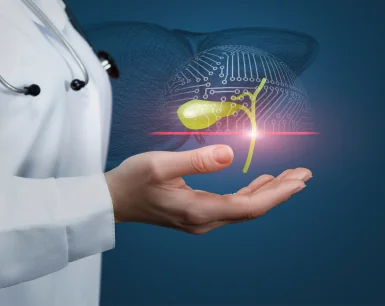
Gallstones are hardened deposits of cholesterol or pigment that form in the gallbladder. This small organ stores bile, a digestive fluid released after eating to help break down fat. When gallstones block the flow of bile, the gallbladder contracts more forcefully, which can trigger the sharp upper abdominal pain known as biliary colic.
Diet influences how often these contractions happen and how hard the gallbladder has to work. High-fat meals require more bile. Low -fibre
Diets stagnate, increasing the likelihood of stone formation can alter the balance of cholesterol in bile. Even skipping meals can allow bile to sit stagnant, making stone formation more likely.
A gallstone diet is not a quick detox or a strict low-fat regimen. It is a calm, balanced eating pattern that keeps bile moving steadily and reduces the chance of irritation.
How to Build a Gallstone-Friendly Diet?
Choosing the right fats
Fat is essential for health, but the key is choosing types that are easier for the body to process. Healthy unsaturated fats such as olive oil, rapeseed oil, nuts, seeds, and avocado can support heart health and smoother digestion. However, they should still be eaten in moderate amounts to avoid overstimulating the gallbladder. Oily fishlike salmon, trout, and sardines are also beneficial if your digestion tolerates them well.
Fibre for smoother digestion
Fibre plays an important role in gallbladder health. It can help regulate cholesterol levels within bile and promotes regular bowel movements. Wholegrains, vegetables, fruits, lentils, beans, and oats are all excellent choices. Increasing fibre gradually is important, as a sudden jump may cause bloating or discomfort.
Lean protein for steady energy
Protein does not need to be restricted when you have gallstones. Lean options such as chicken, turkey, white fish, tofu, beans, and lentils tend to be easier to digest. Eggs are tolerated well by some people and worse by others, so paying attention to your body’s response can help guide your choices.
Keeping your meals regular
Regular eating patterns prevent bile from becoming thick and stagnant. Three balanced meals a day with optional light snacks can reduce the likelihood of gallbladder spasms. Long gaps without food often make symptoms worse.
If you’d like to learn more about which foods commonly worsen symptoms, look at our guide on the 6 foods to avoid if you have gallstones
Gallstones Diet FAQs
Can diet dissolve gallstones?
Diet alone does not usually dissolve gallstones. Some medications may help in very specific cases, but gallbladder removal surgery remains the most effective long-term treatment for people experiencing frequent or severe symptoms.
What should I eat during a gallstone attack?
Many people tolerate lighter options such as soups, toast, rice, bananas, or low-fat yoghurt during a flare-up. Once the pain settles, a balanced diet can be resumed.
Can I drink decaf coffee with gallstones?
Yes, decaf coffee is usually well tolerated with gallstones. It is gentler than regular coffee and less likely to trigger symptoms, but if it causes discomfort, it is best to limit it.
Does alcohol aggravate gallstones?
Moderate alcohol intake usually does not aggravate gallstones, but heavy drinking can irritate the liver and digestive system, which may worsen symptoms. If alcohol triggers discomfort for you, it is best to avoid it.
Can I eat eggs with gallstones??
Yes, you can eat eggs, but they trigger symptoms for some people. If they cause discomfort, limit them. If you tolerate them, they can stay in your diet.
Do I need to follow this diet after gallbladder removal?
In the first few weeks after surgery, a lower-fat diet is recommended while the body adjusts. Over time, most people can return to a more varied diet, although very high-fat meals may still cause discomfort.
Medically Reviewed by Lujain Alhassan, BSc, ANutr
Registered Associate Nutritionist and Bariatric Nutrition.
Enquiry Form