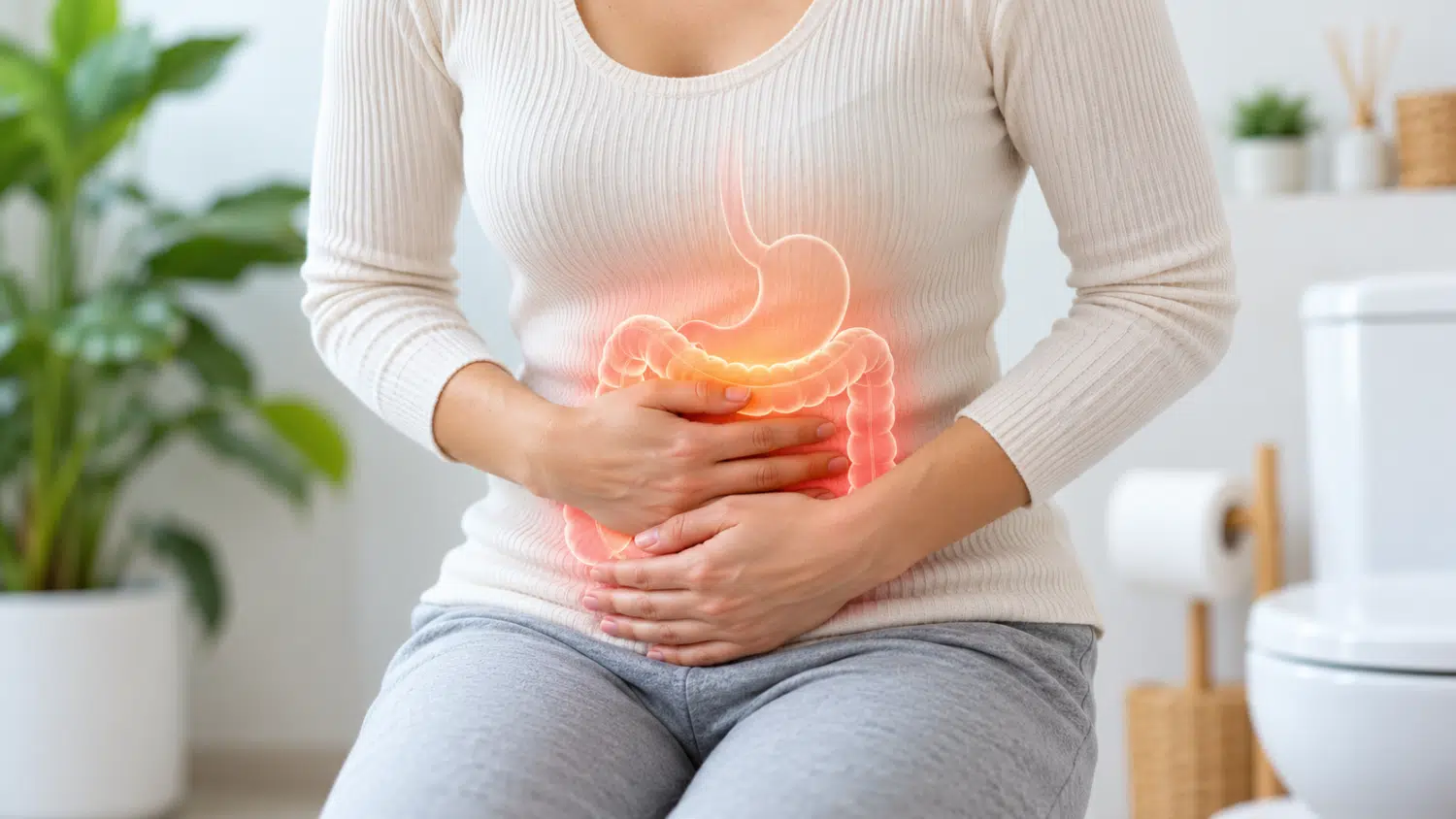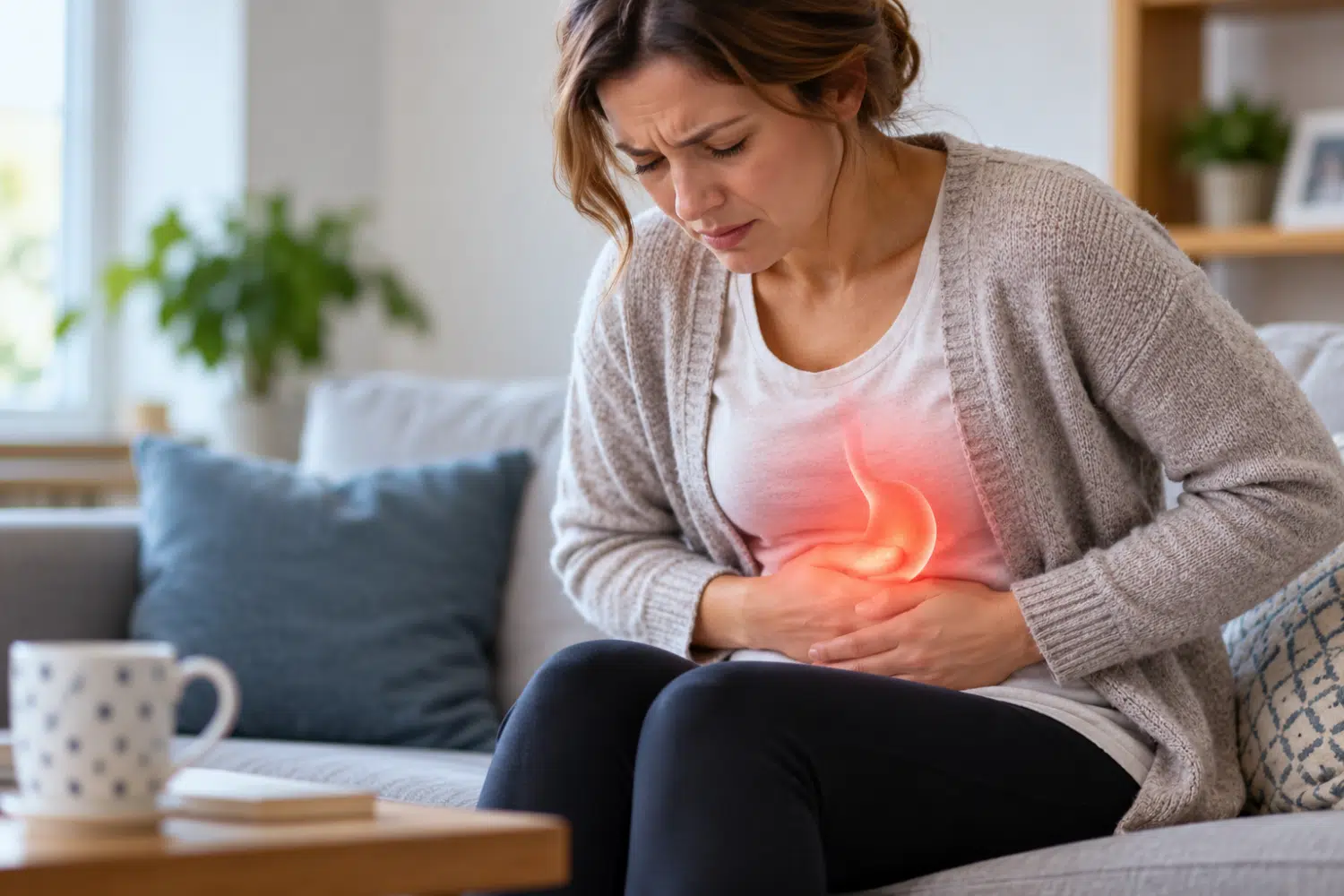
Gastric bypass surgery can offer significant health benefits for people living with obesity. Like any surgical procedure, however, there are potential complications to be aware of. One of these is a marginal ulcer, which can develop near the connection between the stomach pouch and small intestine.
Not everyone develops ulcers after gastric bypass, and many can be treated successfully with medication. Knowing what symptoms to look out for and how to reduce your risk can help you look after your health in the months and years following surgery.
What Is a Marginal Ulcer After Gastric Bypass?
During gastric bypass surgery, a small stomach pouch is created and connected directly to the small intestine, allowing food to bypass part of the digestive system.
A marginal ulcer is an open sore that develops in the lining of the digestive tract, usually around this new connection. The area can be affected by stomach acid, particularly when other factors interfere with the protective lining or normal tissue healing.
Marginal ulcers can develop within the first few months after surgery or several years later. Although they are a recognised complication of gastric bypass, most patients do not develop them.
What Are the Symptoms of Ulcers After Gastric Bypass?
Ulcer symptoms after gastric bypass can vary. Some people experience persistent discomfort, while others may have few noticeable symptoms.
Common signs to look out for include:
Upper abdominal pain: A burning, aching, or uncomfortable feeling in the upper part of your stomach, sometimes worse after eating.
Nausea or vomiting, particularly if symptoms continue or occur alongside abdominal pain.
Reduced appetite: You may find eating uncomfortable or feel reluctant to finish meals.
Bloating or discomfort: Some people experience fullness or general digestive discomfort.
Signs of bleeding: Black, tarry stools or vomiting blood can indicate a bleeding ulcer and require emergency medical attention.
These symptoms do not always mean you have an ulcer. Abdominal discomfort after gastric bypass can have several causes, so it is important to seek advice if symptoms persist or keep returning.
Why Can Ulcers Develop After Gastric Bypass?
There is rarely just one reason. Ulcers can develop when the lining near the surgical connection is damaged or struggles to protect itself from stomach acid.
Several factors may increase the risk.
Stomach acid
After gastric bypass, the small intestine is connected directly to the stomach pouch. The tissue around this connection may be exposed to stomach acid, which can contribute to irritation and ulcer formation.
Smoking and nicotine
Smoking reduces blood flow to tissues and interferes with healing. This can make the area around the surgical connection more vulnerable to developing an ulcer.
Certain painkillers
Non-steroidal anti-inflammatory drugs (NSAIDs), such as ibuprofen and naproxen, can weaken the protective lining of the digestive tract. Regular or prolonged use may increase the risk of ulcers after gastric bypass and gastric sleeve surgery.
Other contributing factors
Infection with Helicobacter pylori (H. pylori), a bacterium that can cause stomach ulcers, may also play a role in some cases. Factors relating to the surgical connection and tissue healing can also play a role.
Research published in the Journal of Clinical Medicine suggests that several factors can contribute to marginal ulcers after gastric bypass surgery. explains that marginal ulcers can develop through a combination of factors. This is why identifying possible causes is an important part of treatment.
How Are Ulcers After Gastric Bypass Diagnosed?
If you have ongoing upper abdominal pain, nausea, or other symptoms that suggest an ulcer, your bariatric team may recommend an upper gastrointestinal endoscopy.
This involves passing a thin, flexible camera through your mouth to examine the stomach pouch and the connection to the small intestine.
An endoscopy allows the specialist to check for ulcers, assess the affected area, and recommend suitable treatment. Further tests may be needed if another condition is suspected.
How Are Marginal Ulcers Treated?
The good news is that many marginal ulcers can be managed without further surgery.
Treatment usually focuses on reducing stomach acid, helping the ulcer heal, and addressing any factors that may be contributing to the problem.
Medication to reduce stomach acid
Proton pump inhibitors (PPIs), such as omeprazole, are commonly prescribed to reduce stomach acid and allow the ulcer to heal. Some patients may also be given sucralfate, which helps protect the affected lining.
Changes to medication and lifestyle
Your bariatric team may review your current medicines, advise you to stop smoking and arrange testing or treatment for H. pylori if appropriate.
Further treatment if an ulcer does not heal
Some ulcers may take longer to heal or return after treatment. In these situations, your specialist may recommend further endoscopic treatment or, occasionally, another operation.
Follow-up is important to check that treatment is working and that the ulcer has healed.
How Can You Reduce the Risk of Ulcers After Gastric Bypass?
Although not every ulcer can be prevented, there are several ways to look after your digestive health following surgery.
Follow your recommended diet. Choose balanced meals appropriate for your stage of recovery and follow the dietary advice provided by your bariatric team.
Avoid foods that cause discomfort. If certain foods or drinks regularly trigger stomach pain, discuss this with your bariatric team.
Stay hydrated. Drink water regularly throughout the day, taking small sips as recommended after surgery.
Avoid alcohol. Follow your bariatric team’s advice, particularly during recovery or while being treated for an ulcer.
Stop smoking and avoid nicotine. Smoking can interfere with tissue healing and increase the risk of marginal ulcers.
Be careful with painkillers. Avoid NSAIDs such as ibuprofen and naproxen unless your bariatric team specifically advises otherwise.
Take prescribed medication. If you have been given medicine to reduce stomach acid or protect the digestive lining, take it as directed.
These habits support your recovery and long-term digestive health after any type of bariatric surgery. Avoiding smoking and NSAIDs, along with following prescribed treatment, is particularly important for reducing ulcer-related risks.
When Should You Seek Medical Help?
Persistent abdominal pain, repeated nausea or vomiting, or difficulty eating should be discussed with your bariatric team or GP.
Seek emergency medical attention if you experience vomiting blood, black tarry stools, sudden severe abdominal pain or fainting.
These symptoms may indicate bleeding or another complication that requires urgent assessment.
Looking After Your Health After Gastric Bypass
Marginal ulcers are a recognised but treatable complication of gastric bypass surgery. Understanding the symptoms, avoiding known risk factors and seeking medical advice when something does not feel right can make a difference.
If you are a Phoenix Health patient and have concerns about abdominal pain or digestive symptoms after surgery, contact our bariatric team for advice and support.
References
Salame M, Jawhar N, Belluzzi A, et al. Marginal Ulcers after Roux-en-Y Gastric Bypass: Etiology, Diagnosis, and Management. Journal of Clinical Medicine. 2023;12(13):4336.
https://pmc.ncbi.nlm.nih.gov/articles/PMC10342478/
Radiopaedia. Marginal Ulcer Following Roux-en-Y Gastric Bypass. Revised 11 March 2026.
https://radiopaedia.org/articles/marginal-ulcer-following-roux-en-y-gastric-bypass
Skogar ML, Sundbom M. Nonsteroid Anti-inflammatory Drugs and the Risk of Peptic Ulcers After Gastric Bypass and Sleeve Gastrectomy. Surgery for Obesity and Related Diseases. 2022. https://pubmed.ncbi.nlm.nih.gov/35595650/