Many people only discover they have gallbladder polyps after undergoing a scan for abdominal pain, bloating, or digestive discomfort. For some, the diagnosis comes unexpectedly during a routine ultrasound.
Although the word “polyp” can sound worrying, most gallbladder polyps are harmless. However, some cases may require monitoring or treatment depending on their size, symptoms, and associated risk factors. Understanding the condition can help patients feel more informed about when reassurance is enough and when specialist advice may be needed.
What Are Gallbladder Polyps?
Gallbladder polyps are small growths that develop on the inner lining of the gallbladder. The gallbladder is a small organ located beneath the liver that stores bile, which helps the body digest fats.
Polyps can vary in size and appearance. Some are flat and very small, while others grow on tiny stalks attached to the gallbladder wall. Research suggests that gallbladder polyps affect around 4% to 7% of the population and are often diagnosed in adults around the age of 50.
Most polyps in the gallbladder are non-cancerous. Studies suggest that nearly 60–90% are cholesterol polyps, sometimes called pseudopolyps, which form when cholesterol deposits accumulate within the gallbladder lining rather than from true tumour growth.
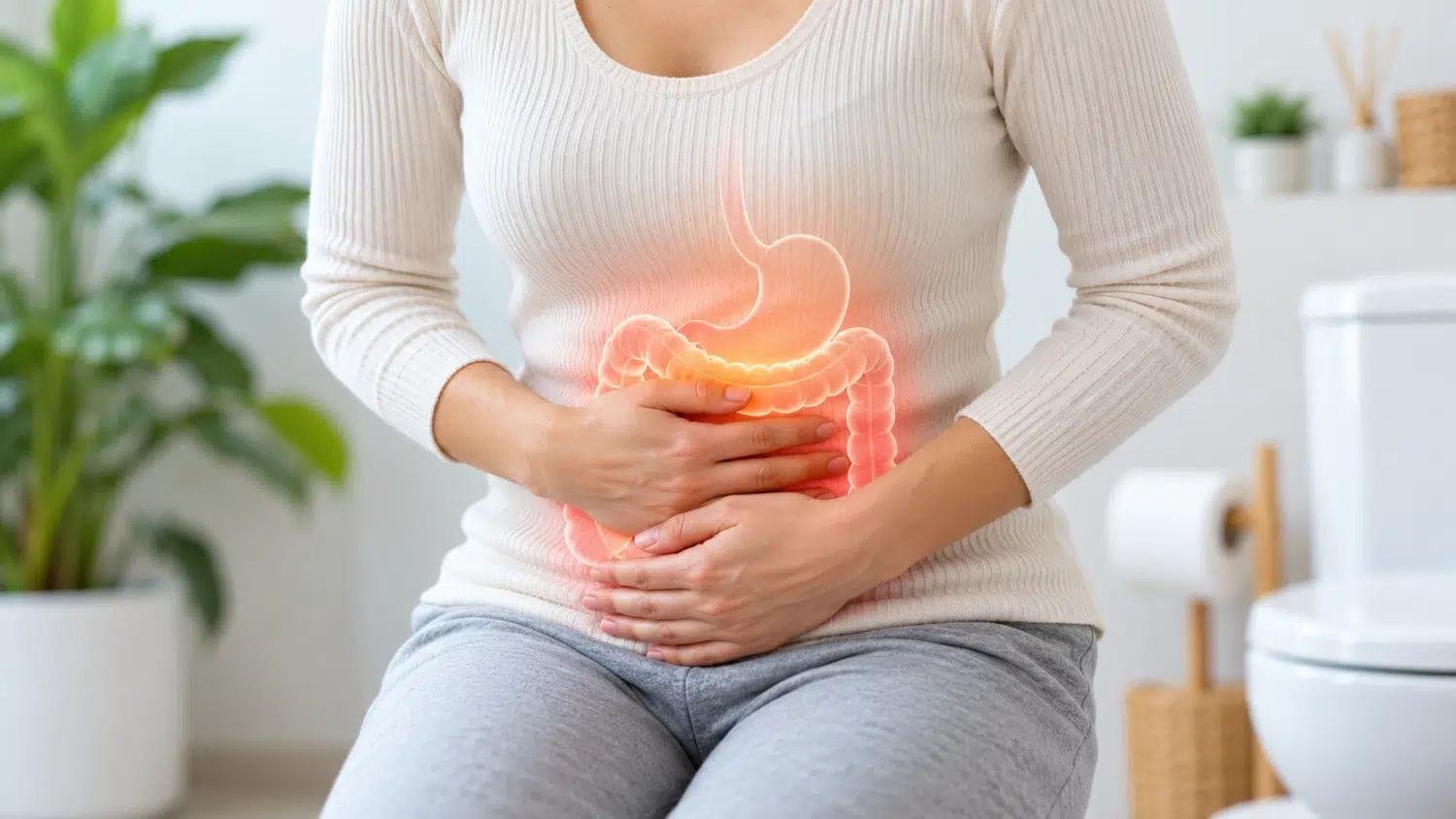
Many patients experience no symptoms at all. Others may notice symptoms similar to gallstones symptoms, including upper abdominal discomfort, bloating, nausea, or pain after fatty meals. Because symptoms often overlap with other digestive conditions, gallbladder polyps are frequently discovered incidentally during scans performed for unrelated abdominal complaints.
What Causes Gallbladder Polyps?
One of the most common questions patients ask is, ‘What causes gallbladder polyps’?
The answer is not always straightforward because several different factors may contribute to their development.
Cholesterol build-up within the gallbladder wall is believed to be one of the leading causes. According to the National Institutes of Health (NIH), disturbances in cholesterol metabolism and bile composition may lead to fatty deposits accumulating within the gallbladder lining over time.
Chronic inflammation may also play a role. Inflammatory changes within the gallbladder can occur when bile does not empty properly or when irritation develops repeatedly over many years. There is also a recognised association between gallbladder polyps, gallstones, and gallbladder disease.
Gallstones may repeatedly irritate the gallbladder lining, increasing inflammation and potentially contributing to the formation of both cholesterol polyps and inflammatory polyps. Gallbladder polyps are also seen more often in people with metabolic conditions such as obesity, fatty liver disease, diabetes, insulin resistance, and high cholesterol levels.
Some evidence suggests gallbladder polyps may occur more commonly in people who are:
- Over the age of 50
- Living with obesity
- Diagnosed with diabetes
- Experiencing high cholesterol
- Affected by chronic gallbladder inflammation
However, some patients develop gallbladder polyps despite having no obvious risk factors at all.
Are Gallbladder Polyps Dangerous?
Most gallbladder polyps are harmless and never become cancerous. When first diagnosed, most clinical guidelines suggest surveillance for them over a period of time to ensure they remain stable in size. In cases where the polyps grow fast in size or if they become large (10 mm or more), then your doctor may recommend removing the gallbladder. As in this case, the risk of the polyp converting to something sinister is much higher.
The Link Between Polyps and Gallstones
The connection between gallbladder polyps and gallstones is something doctors commonly see during gallbladder assessments. Gallstones and gallbladder polyps can occur together because both conditions are linked to changes in bile composition and chronic inflammation within the gallbladder.
In many cases, the symptoms of gallstones and polyps can overlap. Patients often experience bloating, nausea, abdominal discomfort, or pain after eating rich or fatty foods.
This overlap is one reason why proper imaging and specialist assessment are important. Identifying whether symptoms are related to gallstones, polyps, or both helps doctors recommend the most appropriate treatment plan.
How Are Polyps in Gallbladder Diagnosed?
Most gallbladder polyps are diagnosed using an abdominal ultrasound scan. Ultrasound is usually the first-line investigation because it allows doctors to examine the gallbladder and assess the size, number, and appearance of any growths.
If the polyps appear small and low risk, doctors may recommend regular monitoring rather than immediate surgery. Follow-up scans are often carried out every 6 to 12 months to check whether the polyps remain stable or increase in size.
Additional imaging tests, such as MRI scans or endoscopic ultrasound, may sometimes be recommended if the diagnosis is unclear or if larger polyps require closer assessment.
When Is Gallbladder Removal Surgery Recommended?
Not all gallbladder polyps require treatment. Many small polyps can be safely monitored without surgery.
However, gallbladder removal surgery may be recommended if:
- Polyps measure larger than 10 mm
- Symptoms are becoming more frequent
- Polyps increase in size during monitoring
- Gallstones are also present
- There are concerns about cancerous changes
Gallbladder removal surgery, known as cholecystectomy, is commonly performed using minimally invasive keyhole techniques.
According to the NHS, laparoscopic gallbladder surgery is considered the standard treatment for symptomatic gallbladder disease because it usually offers shorter recovery times and reduced postoperative discomfort. For many patients, surgery not only removes the polyps but also relieves the ongoing digestive symptoms affecting quality of life.
When Should You Seek Specialist Advice?
Persistent digestive symptoms should never be ignored, especially if they become more frequent or begin affecting daily activities.
You should consider specialist assessment if you experience:
- Ongoing upper abdominal pain
- Bloating or nausea after meals
- Symptoms triggered by fatty foods
- Previously diagnosed gallbladder polyps that have not been reviewed recently
- Gallstones alongside gallbladder polyps
While most gallbladder polyps are benign, proper assessment is important to determine which cases simply require monitoring and which may benefit from treatment. Early evaluation can also help provide reassurance and identify the most appropriate treatment options.
At Phoenix Health, our experienced gastrointestinal surgeons provide expert assessment and private gallbladder removal surgery without long waiting times. With more than 20 years of surgical experience, our team offers personalised care, rapid access to investigations, and minimally invasive treatment tailored to each patient’s needs.
If you are experiencing ongoing gallbladder symptoms or have been diagnosed with gallbladder polyps, our specialists can explain your treatment options and whether surgery may be appropriate for you.
To arrange a consultation, contact Phoenix Health today or complete our online enquiry form to speak with an experienced specialist about private gallbladder surgery.
Medically Reviewed by Mr. Qutayba Almerie, MD, MSc, FRCS
Consultant Upper GI & Bariatric Surgeon, Medical Director at Phoenix Health.