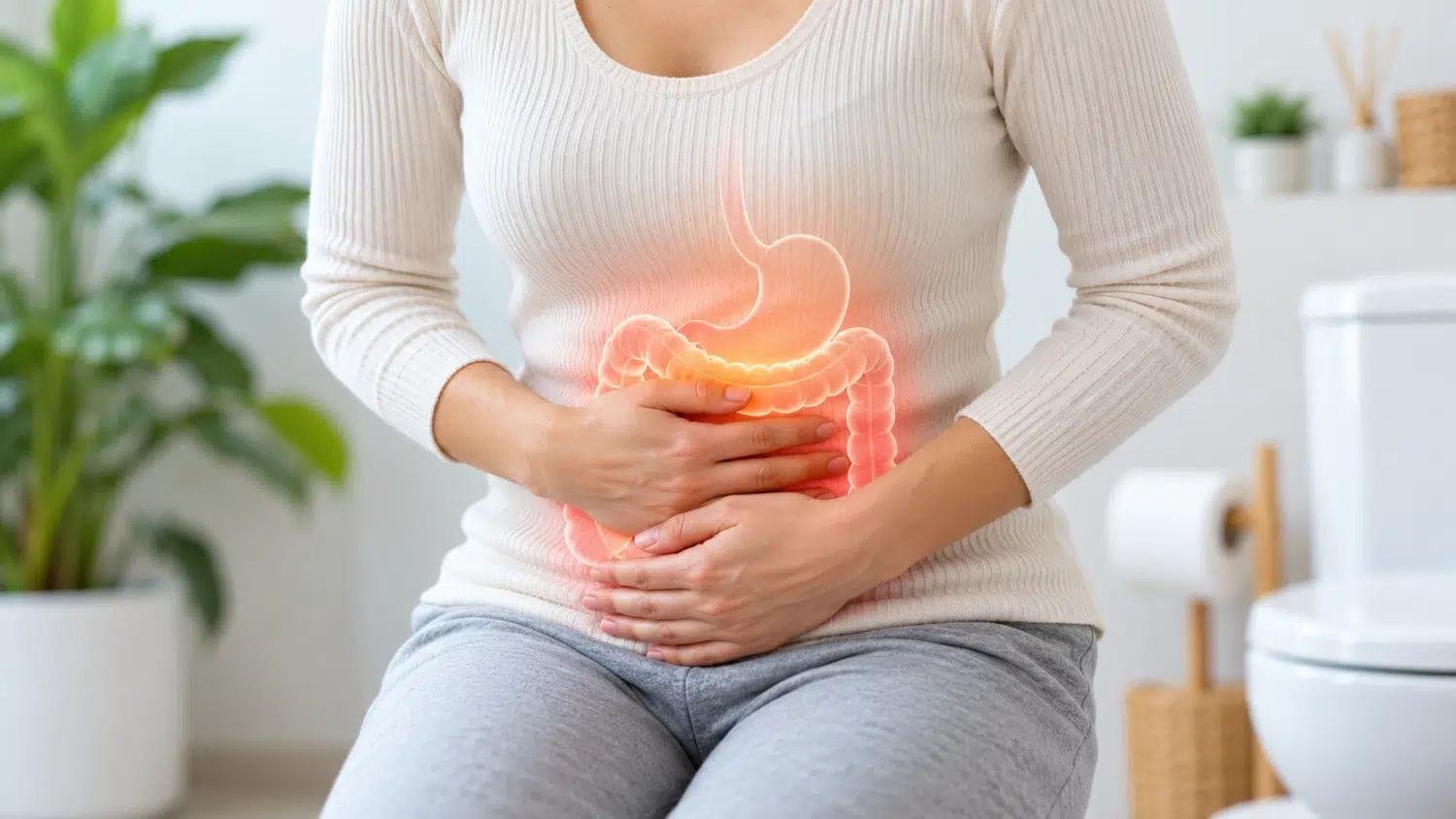
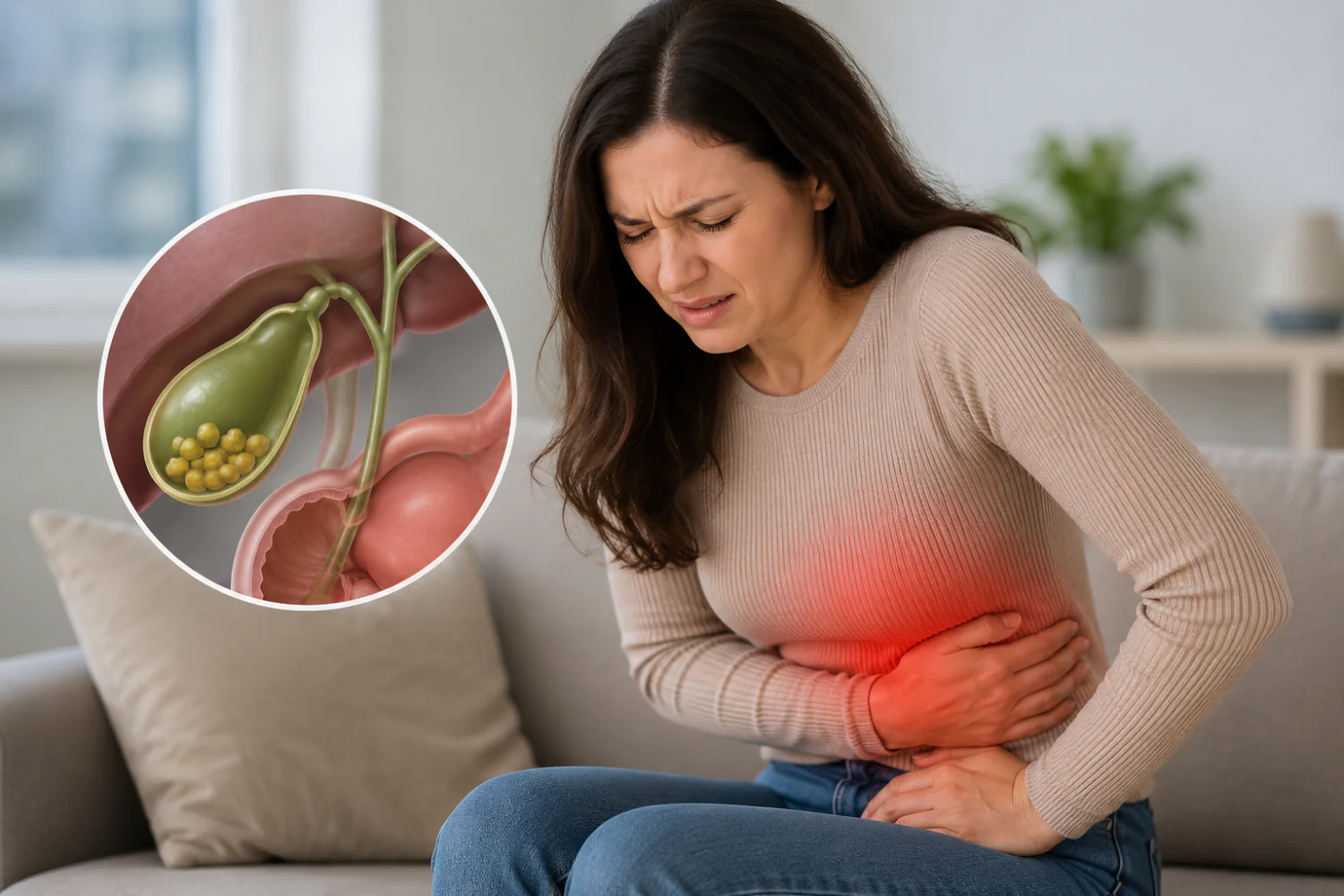
Have you ever finished a meal and felt a pain building beneath your right ribs? Or perhaps you’ve started feeling bloated, nauseous or uncomfortable after eating foods you used to enjoy.
It’s easy to put these symptoms down to indigestion, acid reflux or simply eating too much. After all, most of us experience digestive discomfort from time to time. But if the same symptoms keep coming back, your gallbladder could be trying to tell you that something isn’t right. While pain is the symptom most people associate with gallstones, some people also wonder whether gallstones can make you feel tired and dizzy.
Gallbladder problems are surprisingly common, particularly in adults over the age of 40, yet many people don’t recognise the warning signs until the pain becomes difficult to ignore. The good news is that many gallbladder conditions can be diagnosed with a simple ultrasound scan, and getting checked early may help prevent more serious complications.
So, what are the first signs of a bad gallbladder, and how can you tell the difference between an upset stomach and something that needs medical attention?
Let’s start by understanding what the gallbladder actually does.
What Does the Gallbladder Do?
The gallbladder is a small, pear-shaped organ beneath your liver. Its job is to store bile, a digestive fluid produced by the liver that helps break down fats.
When you eat, especially fatty foods, the gallbladder squeezes and releases bile into the small intestine. If this process is interrupted, usually because of gallstones blocking the flow of bile, pressure builds up inside the gallbladder, leading to pain and digestive symptoms.
What Are the First Signs of a Bad Gallbladder?
Gallbladder symptoms don’t always begin with severe pain.
In many cases, the first symptoms are quite subtle. They may come and go, appear only after certain meals or feel similar to common digestive problems. That’s one reason gallbladder disease is sometimes mistaken for indigestion or acid reflux during the early stages.
If you’ve noticed any of the following symptoms repeatedly, it’s worth discussing them with a healthcare professional.
1. Pain Beneath Your Right Ribs
For many people, this is the first sign that something isn’t right.
You finish a meal and, about 30 minutes later, notice an ache beneath your right ribs. At first, it may feel like trapped wind or indigestion, but instead of easing, the pain gradually becomes stronger. This happens because your gallbladder squeezes to release bile after eating. If a gallstone temporarily blocks the outlet, pressure builds up inside the gallbladder, causing pain. Doctors call this biliary colic.
Most people describe it as a deep, steady ache rather than a cramping pain. It can last from 30 minutes to several hours and usually isn’t relieved by antacids or changing position. If the pain keeps coming back, especially after meals, don’t ignore it. Recurring pain beneath the right ribs is one of the most common signs of gallbladder disease and should be assessed.
2. Symptoms After Fatty Foods
Have you ever noticed that certain meals leave you feeling particularly uncomfortable? Perhaps it’s after fish and chips, a takeaway curry, pizza or a Sunday roast.
This isn’t always a coincidence. Fatty foods make the gallbladder work harder because they need more bile to digest. If a gallstone blocks the flow of bile or the gallbladder becomes inflamed (a condition known as cholecystitis ), that squeeze can become painful.
Some people develop a dull ache beneath the right ribs, while others feel bloated, sick or unusually full after eating. Not everyone reacts to the same foods, but if you’ve started avoiding certain meals because they regularly leave you feeling unwell, your gallbladder could be one possible explanation.
3. Feeling Sick After Meals
Another early sign of gallbladder disease is nausea.
Many people feel queasy after eating, especially after rich or fatty meals. This happens because when bile isn’t flowing properly, fats are harder to digest.
Nausea can have many causes, but gallbladder-related nausea usually follows a pattern. It often occurs after meals and may be accompanied by pain beneath the right ribs or discomfort that spreads to the back or right shoulder. If you’re regularly feeling sick after eating, it’s worth getting checked.
4. Pain That Spreads to the Back or Right Shoulder
Sometimes, gallbladder pain is felt somewhere completely different from where the problem actually is. You may start with discomfort beneath your right ribs before noticing it spreading to your upper back or beneath your right shoulder blade.
This is known as referred pain. Because the gallbladder shares nerve pathways with the shoulder and upper back, your brain can sometimes interpret the pain as coming from these areas.
If back or shoulder pain regularly occurs alongside pain after eating or discomfort beneath your right ribs, mention all of these symptoms to your healthcare professional, as they can help identify the cause.
5. Bloating and Indigestion That Keeps Coming Back
Everyone experiences indigestion from time to time, especially after a large meal. The difference with gallbladder problems is that the symptoms often become a pattern.
You may notice frequent bloating after meals, burping, feeling unusually full or mild discomfort in the upper abdomen. This happens because when the gallbladder isn’t releasing bile properly, digesting fatty foods becomes more difficult.
These symptoms can also be caused by conditions such as acid reflux, gastritis or IBS. That’s why recurring digestive symptoms should always be assessed rather than simply ignored.
6. Your Symptoms Come and Go
One reason gallbladder disease is often overlooked is that the symptoms can come and go. You may have one painful attack and then feel completely normal for weeks or even months.
If gallstones are the cause, they usually remain in the gallbladder, meaning another blockage can trigger future attacks. While some people only experience occasional episodes, others find the pain becomes more frequent over time.
It’s also possible to have silent gallstones, which cause no symptoms and often don’t need treatment. However, if gallstones repeatedly cause pain or complications, they should be assessed by a healthcare professional.
Concerned About Your Symptoms?
If these symptoms sound familiar, don’t ignore them. Early assessment can help identify whether your gallbladder is causing the problem and determine the most appropriate treatment for your individual needs. If gallbladder removal surgery is recommended, Phoenix Health offers prompt access to experienced upper GI consultants providing private gallbladder removal surgery across the UK.
References:
- National Institute for Health and Care Excellence (NICE). Gallstone disease: diagnosis and management (CG188). Availableat:. https://www.nice.org.uk/guidance/cg188/chapter/Introduction
- American College of Gastroenterology. Biliary Tract Disorders, Gallbladder Disorders, and Gallstone Pancreatitis. Available at:https://gi.org/topics/biliary-tract-disorders-gallbladder-disorders-and-gallstone-pancreatitis/
- Merck Manual Professional Edition. Cholelithiasis (Gallstones). Available at:https:/www.merckmanuals.com/professional/hepatic-and-biliary-disorders/gallbladder-and-bile-duct-disorders/cholelithiasis
Medically Reviewed by Lujain Alhassan, BSc, ANutr
Registered Associate Nutritionist and Bariatric Nutrition
Enquiry Form