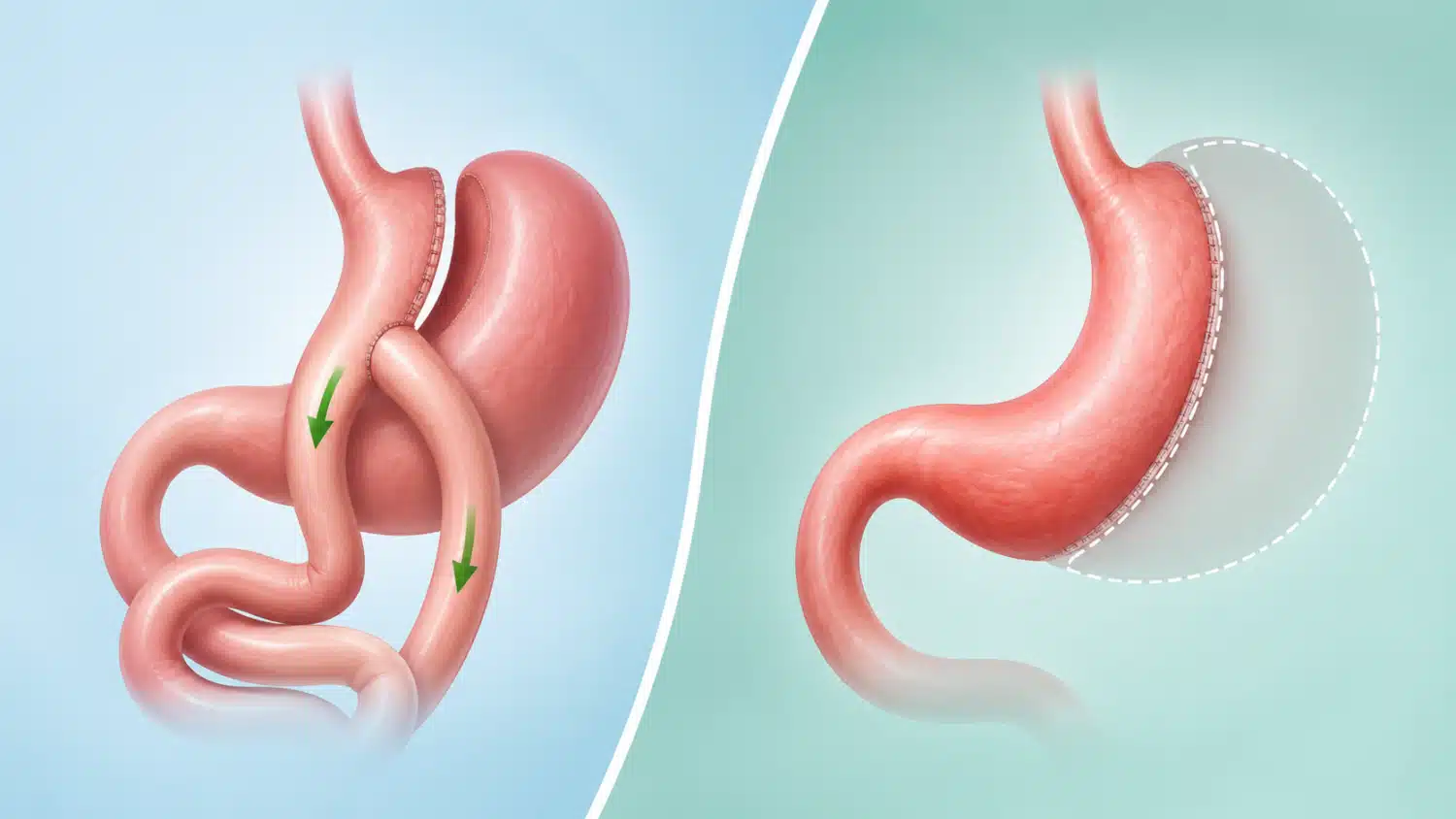
Yes, gastric bypass can be reversed in some cases, but it’s not as simple as undoing the original operation.
If you’re thinking about gastric bypass surgery, you might be wondering what happens if things don’t go to plan. Perhaps you’re concerned about long-term side effects, or you simply want to know whether the changes can be undone.
It’s a sensible question to ask before surgery. Although reversal is possible, it’s rarely done and is usually considered only for serious medical reasons.
Why Is Gastric Bypass Difficult to Reverse?
The answer lies in how the operation changes your digestive system. During a Roux-en-Y gastric bypass, your surgeon creates a small pouch from the upper part of your stomach and connects it to the small intestine. Food then follows a new route, bypassing most of the stomach and the first section of the small intestine.
Unlike gastric sleeve surgery, the larger part of your stomach isn’t removed. It stays inside your body. You might think that means everything can simply be reconnected. But it’s not quite that straightforward.
The original surgery involves dividing and reconnecting parts of the intestine. As these areas heal, scar tissue forms around the surgical connections. A reversal means operating on these areas again, separating existing connections and restoring a more normal route for food.
It’s possible in selected patients, but it’s another major operation with its own risks.
When Would Someone Need a Gastric Bypass Reversal?
Most people who have gastric bypass surgery will never need it reversed. However, a small number of patients develop complications that don’t improve despite appropriate treatment.
Surgeons may consider reversal in circumstances such as:
–Severe malnutrition: When someone continues to struggle with nutritional problems despite supplements and specialist dietary support.
– Persistent low blood sugar: Severe post-bariatric hypoglycaemia can cause blood sugar to fall after meals. If other treatments haven’t worked, gastric bypass reversal may be considered following a thorough assessment by an experienced bariatric team.
– Certain ongoing complications: In rare situations, persistent problems following the original bypass may lead a specialist team to consider reversal.
Having one of these problems doesn’t automatically mean you’ll need another operation. Your bariatric team will usually investigate the cause first and consider whether medication, nutritional treatment or a less extensive procedure could help. This is particularly important with nutritional complications, as the British Obesity and Metabolic Surgery Society (BOMSS) recommends lifelong nutritional monitoring and supplementation following bariatric surgery.
What Happens If a Gastric Bypass Is Reversed?
Reversal aims to restore a more normal passage of food through the stomach and intestines. But it doesn’t necessarily mean your digestive system will function exactly as it did before surgery.
There are also risks to consider. Scar tissue can make the operation more difficult, and complications may include bleeding, infection, or leaks where the digestive tract has been reconnected.
Weight regain is another possibility. Once the bypass is reversed, the way your body digests food and responds to eating can change again. Some improvements in obesity-related conditions, including type 2 diabetes, may also be affected. This is why surgeons carefully weigh the potential benefits against the risks before recommending reversal.
Gastric Bypass Reversal vs Revision: What’s the Difference?
These two terms are often confused, but they don’t mean the same thing. Reversal means attempting to undo the bypass and restore a more normal digestive route.
Revision surgery means making changes to an existing bariatric operation to address a particular problem. For instance, someone who has experienced significant weight regain might need their stomach pouch or surgical connections assessed. Depending on the findings, revision surgery may be an option.
Other problems, such as narrowing at a surgical connection, can sometimes be treated through an endoscopic procedure without further major surgery. So, if you’re having difficulties after gastric bypass, reversal isn’t necessarily the answer.
The first step is finding out what’s causing the problem and what can be done about it.
Can Mini Gastric Bypass Be Reversed?
Yes, mini gastric bypass, also known as one-anastomosis gastric bypass (OAGB), can sometimes be reversed too. The main difference is that mini gastric bypass uses one connection between the stomach and small intestine, whereas a traditional Roux-en-Y bypass uses two.
However, having fewer connections doesn’t mean reversal is a simple procedure. For instance, if someone develops troublesome bile reflux after a mini gastric bypass, their surgeon may recommend converting it to a Roux-en-Y gastric bypass rather than reversing it completely.
The right approach depends on the original operation, the symptoms, and the patient’s overall health.
Does Weight Regain Mean You Need a Reversal?
No. Weight regain after gastric bypass doesn’t mean the operation needs to be undone.
Weight can change over the years for several reasons, including appetite, eating habits, medication, and other health conditions. If you’re finding it difficult to maintain your weight loss, your bariatric team can review your progress and check whether anything else might be contributing.
Dietary support, medication, or revision surgery may be considered, depending on your circumstances. For many patients, another operation won’t be the solution.
Considering Gastric Bypass? Here’s What Matters
If you’re researching whether gastric bypass is reversible before having surgery, it’s worth remembering that the operation is intended to provide lasting changes to your digestive system.
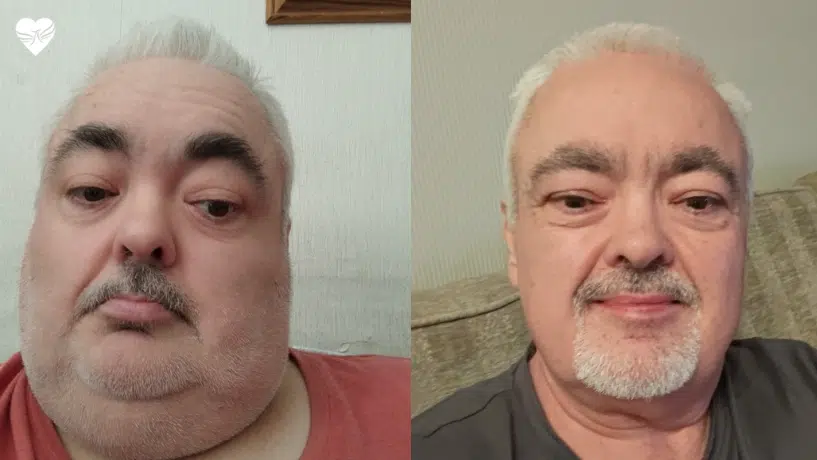
That doesn’t mean you should be put off. Gastric bypass can help people achieve substantial weight loss and improve obesity-related health conditions. You can also read about the experiences of patients who’ve undergone gastric bypass surgery in our patient stories.
What matters is understanding the procedure, its potential risks, and the lifelong commitment to supplements, nutritional monitoring, and healthy eating habits.
At Phoenix Health, our bariatric team will discuss your medical history, weight loss goals and any concerns you may have before helping you understand which bariatric treatment might be suitable. With over 20 years of experience in bariatric care, our team carries out more than 500 NHS bariatric operations each year, alongside providing private weight loss surgery.
If you’re considering weight loss surgery, we’re here to help you understand your options and make an informed decision. Get in touch with Phoenix Health by completing our enquiry form or sending us a WhatsApp message to arrange a consultation.
References:
British Obesity and Metabolic Surgery Society (BOMSS). (2023).BOMSS post-bariatric surgery nutritional guidance for GPs. Available at: https:/bomss.org/bomss-post-bariatric-surgery-nutritional-guidance-for-gps/
Hazlehurst, J., et al. (2024).Society for Endocrinology guidelines for the diagnosis and management of post-bariatric hypoglycaemia. Available at: https://pmc.ncbi.nlm.nih.gov/articles/PMC11046333/
Kassir, R., et al. (2020).Conversion of one anastomosis gastric bypass (OAGB) to Roux-en-Y gastric bypass (RYGB) for biliary reflux resistant to medical treatment. Available at: https://doi.org/10.1007/s11695-020-04460-0
Medically Reviewed by Lujain Alhassan, BSc, ANutr
Registered Associate Nutritionist and Bariatric Nutrition
Enquiry Form