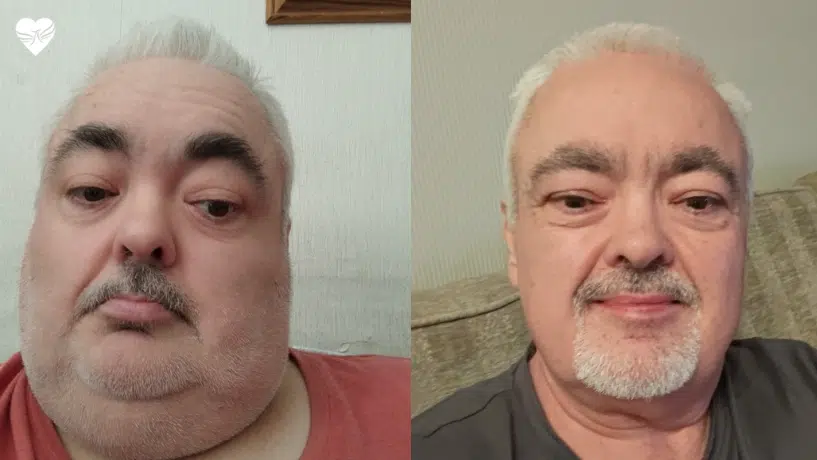
After bariatric surgery, seeing your weight come down can be very motivating. But after a while, you may notice something else. Your clothes are looser, walking feels easier or you are getting stronger, even when the scales have barely moved that week.
These changes matter too.
Weight loss surgery helps you lose excess weight, but during significant weight loss the body can lose some muscle as well as fat.
Looking after your muscle through good nutrition and, when you are ready, regular activity is therefore an important part of recovery. So how can you tell if you are losing fat while maintaining or building muscle?
Your Clothes Are Looser, Even When the Scales Have Slowed Down
Sometimes your clothes tell you more than your scales.
A top may feel roomier around your waist, trousers may become loose, or you might need to move down a belt notch. These are useful signs that your body is changing, even if your weight has stayed similar for a few days.
If you want another way to follow your progress, you could take waist or hip measurements occasionally rather than weighing yourself more often.
Everyday Things Feel Easier
Think about the things you do without giving them much thought. Walking upstairs, getting out of a chair, carrying shopping, or walking around the shops may gradually become easier.
You might also find that you can walk further before getting tired or feel more confident being active.
These improvements will not tell you exactly how much muscle or body fat you have, but they are meaningful signs that your mobility, fitness and strength are changing as you lose weight.
You Are Getting Stronger
Once you have recovered from surgery and your bariatric team is happy for you to increase your activity, strength-based exercise can become useful.
This does not mean you need to start lifting heavy weights.
You may begin with simple bodyweight movements or resistance bands and build from there. Over time, you might find that an exercise you previously struggled with feels easier, you can manage a few more repetitions, or you can use slightly more resistance.
Small improvements count.
Your Body Shape Is Changing
It is quite common to notice changes in your shape before seeing another big change on the scales.
Your waist may become smaller or your arms, legs and face may look different. This happens because weight alone cannot show where changes are taking place in your body.
Some people find occasional progress photographs helpful. Looking at photographs taken several weeks or months apart can make gradual changes easier to see.
A Slower Week Does Not Mean You Have Stopped Making Progress
Weight loss after bariatric surgery does not happen at the same rate every week.
Weight loss will not be the same every week. Some weeks you may lose more, while at other times your weight may change very little. Small fluctuations are normal and can happen for several reasons, including hydration and food intake.
Try to look at the longer-term picture rather than worrying about one reading.
If your clothes are becoming looser, you are moving more comfortably, and your strength is improving, those changes are worth noticing too.
Can You Actually Lose Fat and Gain Muscle at the Same Time?
You may have come across the term body recomposition online. It usually describes losing body fat while maintaining or increasing muscle.
For someone who has had bariatric surgery, the picture is a little different.
In the early months after weight loss surgery, weight can come off quickly. Some lean tissue, including muscle, can be lost during this period. The priority is therefore not to follow a bodybuilding-style diet or exercise plan, but to support your body with appropriate nutrition and protect as much muscle as possible.
As your recovery progresses, regular activity and resistance exercise can help you get stronger and may help you build muscle.
Give Your Muscles the Protein They Need
Getting enough protein after bariatric surgery helps your body maintain and repair muscle while you lose weight. As your portions are much smaller, it is important to make the protein in your meals count.
Depending on your stage of recovery, suitable choices may include eggs, fish, chicken, Greek-style yoghurt, cottage cheese, beans and lentils.
Not sure what to prepare? Try our high-protein bariatric recipes for simple meal ideas suitable for smaller portions after weight loss surgery.
If you are finding it difficult to get enough protein from food alone, a protein shake may sometimes be recommended. Our guide to choosing a protein shake after bariatric surgery covers what to look for and includes five bariatric-friendly ideas.
Your protein needs are individual and can change as you recover. Follow the recommendations given by your bariatric team or dietitian rather than trying to reach a general protein target you have found online.
What If You Think You Are Losing Muscle?
Feeling weaker is not something you should simply ignore.
If you are struggling to eat enough, finding it difficult to meet your protein requirements or noticing persistent weakness, speak to your bariatric team. They can look at your diet, supplements and overall recovery and advise whether anything needs to change.
You can also read our guide on how to prevent muscle loss during weight loss after bariatric surgery for practical advice on protein, exercise and protecting muscle as you lose weight.
There Is More to Progress Than Your Weight
The scales are useful, but they are only one part of your weight loss journey.
Being able to walk further, feeling stronger, moving more comfortably, or fitting into clothes that previously felt tight can be important milestones too.
Give your body time to change, keep following the nutrition and supplement advice from your bariatric team, and introduce exercise at the right stage of your recovery.
If you are considering weight loss surgery, explore Phoenix Health’s bariatric treatments to learn more about the procedures we offer and the support available before and after surgery.
References
British Obesity and Metabolic Surgery Society (BOMSS). Post-bariatric surgery nutritional guidance for GPs. Available at: https://bomss.org/bomss-post-bariatric-surgery-nutritional-guidance-for-gps/
Bellicha A, van Baak MA, Battista F, et al. Effect of exercise training before and after bariatric surgery: A systematic review and meta-analysis. Obesity Reviews. 2021;22(Suppl 4):e13296. Available at: https://pmc.ncbi.nlm.nih.gov/articles/PMC8365633/