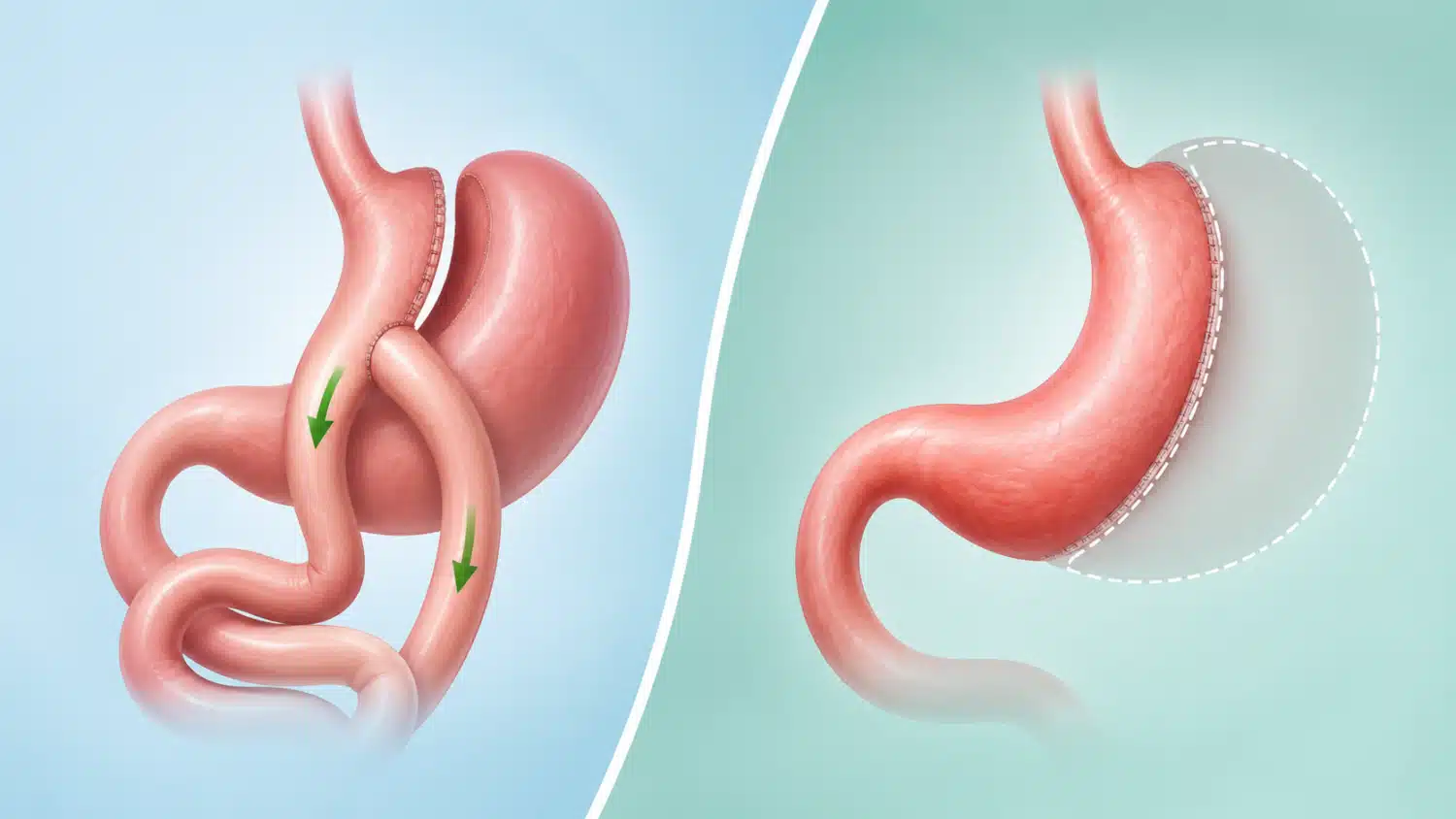
After a few weeks of eating blended foods following gastric sleeve surgery, you’re probably looking forward to something that feels a little more like a proper meal. But knowing what to eat, how to prepare it, and whether your stomach is ready for different textures can take some getting used to.
The good news is that you don’t have to live on soups and yoghurt throughout your recovery. Many of the meals you enjoyed before surgery can be adapted to suit your changing dietary needs.
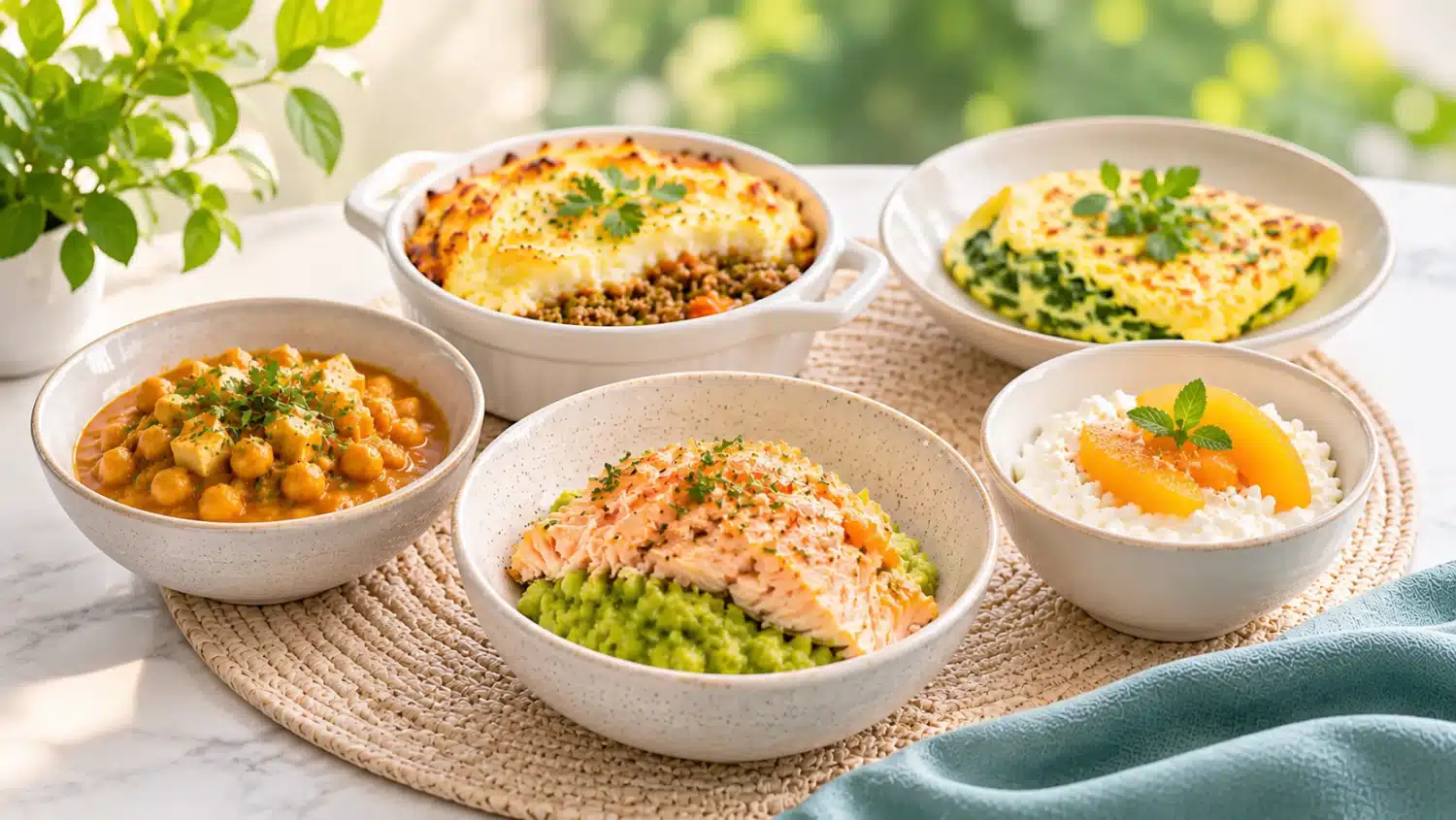
Here are five simple, nutritious soft-food meal ideas to add a little more variety to your plate.
When Can You Start Eating Soft Foods After Gastric Sleeve Surgery?
At Phoenix Health, we advise four weeks of blended foods, followed by four weeks of soft foods. From week five, you can gradually introduce foods that are soft, moist, and easily mashed with a fork.
You don’t need to stop eating blended foods altogether. It’s perfectly fine to enjoy some of your favourites from the earlier stage whilst gradually building your confidence with new textures.
1. Soft Baked Salmon with Mushy Peas
If you’re missing a traditional fish dinner, this is a lovely alternative.
Salmon provides protein and healthy omega-3 fats, and its naturally flaky texture makes it a good option during the soft food stage.
Bake the salmon gently, keeping it moist, and serve with a small portion of mushy peas. Remove any skin and bones before eating, and check that the fish breaks apart easily with a fork.
2. Cottage Pie with Mashed Root Vegetables
There’s something comforting about a homemade cottage pie, particularly on a cold evening.
Slowly cook lean beef mince until it’s tender and moist, then top it with mashed potato, carrot or swede. Avoid allowing the topping to become too crispy.
If you’re cooking for the family, you could set aside a small portion for yourself before finishing the rest of the dish. There’s no need to prepare an entirely separate dinner.
3. Slowly Cooked Chickpea and Tofu Curry
Whether you’re vegetarian or simply fancy a change from meat and fish, chickpeas and tofu offer a way to include more plant-based protein in your meals.
Cook the chickpeas until they’re soft enough to mash easily with a fork, and combine them with soft tofu in a mild curry sauce.
Keep the dish moist and introduce it gradually, depending on how well you’re tolerating different foods.
4. Soft Omelette with Spinach
Eggs are a convenient source of protein, but you might be surprised to find that they’re not always easy to tolerate after weight loss surgery.
Try a gently cooked omelette with finely chopped, cooked spinach. Cooking eggs slowly helps prevent them from becoming dry or rubbery.
If eggs don’t agree with you initially, don’t feel you have to persevere. You may find them easier to tolerate towards the end of the soft food stage.
5. Cottage Cheese with Soft Peaches
Sometimes, you just want something quick without having to switch the oven on.
Cottage cheese served with soft tinned peaches makes a convenient breakfast or small meal. Choose peaches tinned in juice rather than syrup, and ensure they’re soft enough to mash with a fork.
It’s a refreshing alternative to savoury meals and an easy way to include protein in your day.
How Much Should You Eat During the Soft Food Stage?
During weeks five to eight, our bariatric dietetic team generally advises:
– Around 90–120ml (⅓–½ cup) per meal.
– Five small eating episodes throughout the day.
– Taking 20–30 minutes to eat each meal.
– Eating protein-rich foods first.
– Stopping when you feel satisfied, rather than full.
A small ramekin dish can help you get used to your new portion sizes.
Take Your Time and Find What Works for You
It’s easy to become frustrated when a food you previously enjoyed no longer agrees with you. Remember that your stomach is still adapting, and your tolerance of different foods may improve as your recovery progresses.
These meal ideas can also be suitable for patients recovering from gastric bypass surgery, depending on their individual dietary guidance.
At Phoenix Health, our bariatric dietitians support patients through each stage of recovery, helping them make practical food choices that fit around everyday life.
If you’re considering gastric sleeve surgery and wondering how your eating habits might change afterwards, our team is here to help you understand what to expect, both during recovery and in the years ahead.
Medically Reviewed by Lujain Alhassan, BSc, ANutr
Registered Associate Nutritionist and Bariatric Nutrition